Master the Grill: Your Ultimate Guide to Flavorful High-Protein Grilled Chicken
Tired of bland, uninspiring chicken dishes? Imagine sinking your teeth into perfectly seared, juicy chicken, bursting with flavor and packed with the protein your body craves. What if we told you creating such a culinary masterpiece at home is not just possible, but surprisingly simple, especially when exploring high protein grilled chicken recipes? Preparing this versatile dish yourself isn’t just about saving money; it’s about controlling ingredients, customizing flavors, and enjoying a healthier, more satisfying meal right from your own backyard or kitchen. This guide will walk you through everything you need to know to achieve grilling perfection, from essential tools to mouth-watering grilled chicken marinades, ensuring every bite is a delightful experience.
Ingredients & Kitchen Tools
To embark on your journey to mastering grilled chicken, gather these essentials:
- Boneless, Skinless Chicken Breasts or Thighs (4-6 pieces): Opt for organic or free-range for best flavor and nutritional profile. Breasts are leaner, while thighs offer more moisture and richness.
- Your Favorite Marinade: Whether store-bought or homemade, this is key for flavor and tenderness. (Consider a zesty lemon-herb, smoky paprika-garlic, or a tangy BBQ blend).
- Olive Oil (2 tablespoons): For a light coating on the chicken before grilling, preventing sticking and aiding in even browning.
- Salt & Freshly Ground Black Pepper (to taste): Essential seasonings to enhance natural flavors.
- Optional Garnishes: Fresh herbs (parsley, cilantro), lemon wedges for serving.
Kitchen Tools:
- Grill (Gas, Charcoal, or Indoor Electric): The star of the show. Ensure it’s clean and preheated.
- Tongs: For safely handling and flipping chicken on the hot grill.
- Meat Thermometer: Crucial for ensuring chicken is cooked to a safe internal temperature (165°F / 74°C).
- Shallow Dish or Ziploc Bag: For marinating the chicken.
- Cutting Board & Sharp Knife: For trimming chicken and slicing after grilling.
- Basting Brush (optional): If you plan to apply extra marinade or glaze during cooking.
Prep Time & Cooking Schedule
- Prep Time: 15 minutes (trimming chicken, mixing marinade if homemade).
- Marinating Time: Minimum 30 minutes, ideally 2-4 hours, or even overnight for maximum flavor penetration. For the best results, always plan this stage in advance.
- Cook Time: 10-15 minutes, depending on the thickness of the chicken and grill temperature.
- Resting Time: 5-10 minutes after grilling. This allows the juices to redistribute, ensuring a tender and moist final product. Skipping this step can result in dry chicken.
Step-by-Step Instructions
1. Prepare the Chicken: Pat the chicken breasts or thighs dry with paper towels. Trim any excess fat. If breasts are very thick, you can butterfly them or pound them to an even thickness (about ¾ inch) to ensure uniform cooking. This is a crucial step for achieving perfect high protein grilled chicken recipes.
2. Marinate for Flavor: Place the chicken in a shallow dish or a resealable freezer bag. Pour your chosen marinade over the chicken, ensuring all pieces are well coated. Seal the bag or cover the dish and refrigerate for the recommended time. Remember, the longer it marinates, the more flavor it truly absorbs from the specially crafted grilled chicken marinades.
3. Preheat the Grill: Preheat your grill to medium-high heat (375-400°F or 190-200°C). Clean the grates thoroughly with a grill brush.
4. Oil the Grates: Lightly oil the grill grates using a paper towel dipped in a little oil (held with tongs). This prevents sticking.
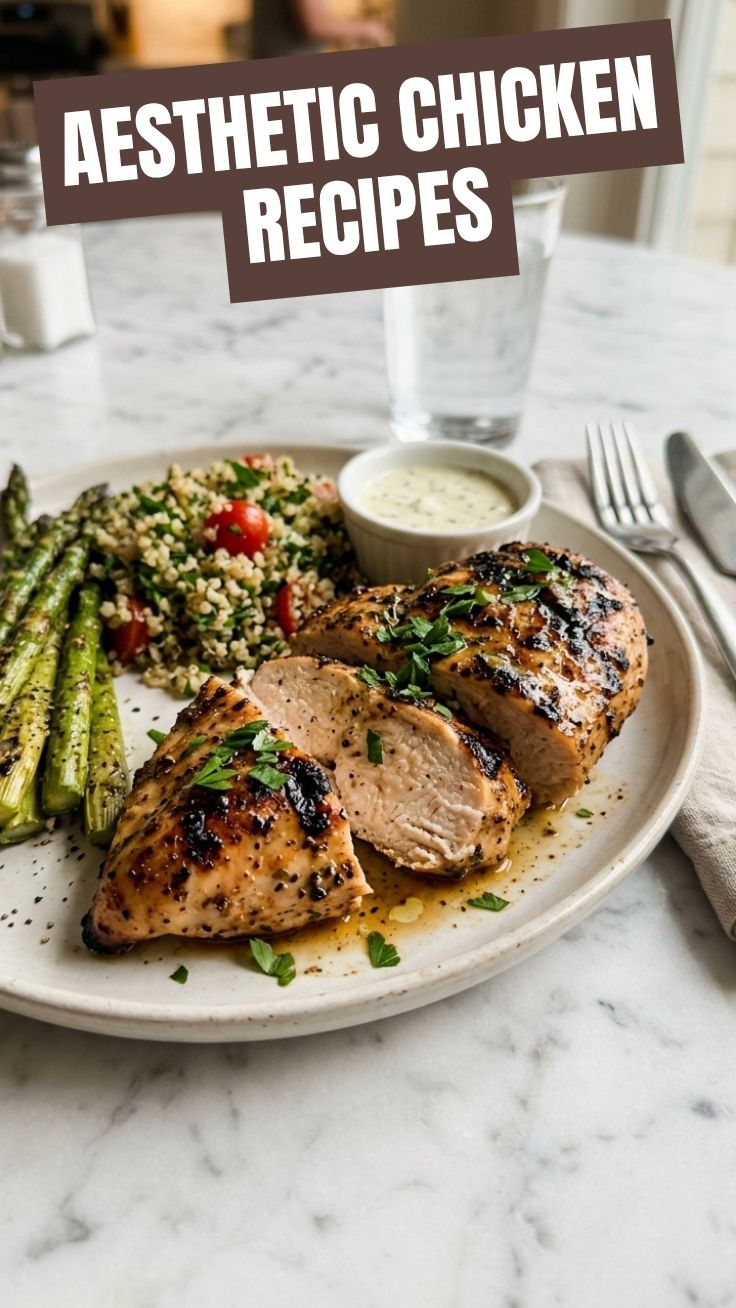
5. Grill the Chicken: Remove chicken from the marinade, letting any excess drip off (do not reuse marinade that has touched raw chicken without boiling it first). Place chicken on the preheated grill. Cook for 5-7 minutes per side, or until internal temperature reaches 165°F (74°C) with a meat thermometer, and the chicken has nice grill marks. Avoid overcooking to maintain juiciness.
6. Rest and Serve: Transfer the grilled chicken to a cutting board or plate. Tent loosely with foil and let it rest for 5-10 minutes. This allows the juices to redistribute throughout the meat, making it incredibly tender and moist. Slice against the grain if desired and serve hot.
Nutritional Benefits & Advantages
Grilled chicken is a powerhouse of lean protein, essential for muscle building, repair, and satiety. It’s naturally low in fat (especially skinless), and when paired with judicious use of marinades, it becomes a heart-healthy option. Grilling avoids added fats often used in frying, making it an excellent choice for weight management and overall well-being. Furthermore, chicken is a good source of B vitamins (niacin, B6), phosphorus, and selenium, which contribute to energy metabolism and immune function.
Tips Variations & Cooking Advice
- Flavor Variations: Experiment with different herbs (rosemary, thyme), spices (cumin, chili powder), or citrus juices (lime, orange) in your homemade marinades.
- Ingredient Swaps: Swap boneless, skinless breasts for bone-in, skin-on thighs for a richer flavor profile (adjust cooking time).
- Alternative Cooking Methods: No grill? No problem! Use a cast-iron grill pan on the stovetop or bake in the oven at 400°F (200°C) until cooked through.
- Dietary Adaptations: Keep it gluten-free by ensuring your marinade ingredients are gluten-free. For dairy-free, avoid marinades with yogurt or buttermilk.
- Even Cooking: For thicker chicken pieces, try pounding them to a uniform thickness before marinating.
Common Mistakes to Avoid
- Not Preheating the Grill: Leads to sticking and uneven cooking.
- Overcrowding the Grill: Lowers grill temperature, steams the chicken instead of searing it, and prevents good grill marks. Work in batches if necessary.
- Flipping Too Often: Resist the urge! Let the chicken sear properly on each side to develop those coveted grill marks and a flavorful crust.
- Skipping the Rest: Direct cutting after grilling allows juices to escape, resulting in dry chicken. Always rest the meat.
- Under-Marinating or Over-Marinating: Too short, and flavor won’t penetrate. Too long (especially with acidic marinades), and the chicken can become “mushy.” Stick to recommended times.
Storage & Meal Prep Tips
Storage: Leftover grilled chicken stores wonderfully. Once cooled, place it in an airtight container and refrigerate for up to 3-4 days.
Freezing: For longer storage, wrap individual pieces tightly in plastic wrap, then place in a freezer-safe bag or container. Freeze for up to 2-3 months. Thaw in the refrigerator overnight before reheating.
Reheating: To maintain moisture, reheat gently. A microwave works, but for best results, slice the chicken and gently warm it in a skillet with a splash of broth or water, or bake in a preheated oven (300°F / 150°C) until just warmed through.
Meal Prep: Grill a larger batch of chicken at the beginning of the week. It’s perfect for salads, sandwiches, wraps, or as a protein component for quick dinners.
Conclusion
Mastering the art of grilling chicken is a fundamental skill for any home cook, opening up a world of healthy, flavorful, and versatile meal options. By focusing on quality ingredients, understanding proper techniques, and experimenting with diverse high protein grilled chicken recipes, you can consistently achieve tender, juicy results every time. Don’t be afraid to try different grilled chicken marinades to discover your family’s new favorite. We encourage you to fire up your grill, follow these steps, and enjoy the incredible satisfaction of a perfectly cooked, homemade meal. Share your grilling successes and favorite marinades in the comments below!
FAQs
Q1: How do I know when my chicken is perfectly cooked without a thermometer?
A1: While a thermometer is highly recommended, you can make a small cut into the thickest part. If the juices run clear and the meat is opaque white throughout (no pink), it’s likely done. However, for food safety and best texture, invest in a meat thermometer.
Q2: Can I use frozen chicken for this recipe?
A2: Yes, but make sure it’s completely thawed before marinating and grilling. Thawing ensures even cooking and prevents the chicken from drying out.
Q3: What’s the best way to get crispy skin on chicken thighs?
A3: For crispy skin, start grilling skin-side down over medium-high heat. The fat renders out, crisping the skin. Avoid moving it too much until the skin releases easily from the grates.
Q4: My grilled chicken always tastes dry. What am I doing wrong?
A4: Dry chicken is usually due to overcooking or not resting the meat. Ensure you’re cooking to 165°F (74°C) and no more, and always allow it to rest for 5-10 minutes before slicing. Marinating also helps retain moisture.
Q5: How can I prevent my chicken from sticking to the grill?
A5: Ensure your grill grates are clean and hot before placing the chicken. Lightly oiling the grates just before cooking also creates a non-stick surface. Resist moving the chicken too soon; allow it to develop a crust that naturally releases it from the grates.