The Soul-Soothing Secret to a Perfect Bowl: Why Your Kitchen Needs This Vegetable Soup (Homemade)!
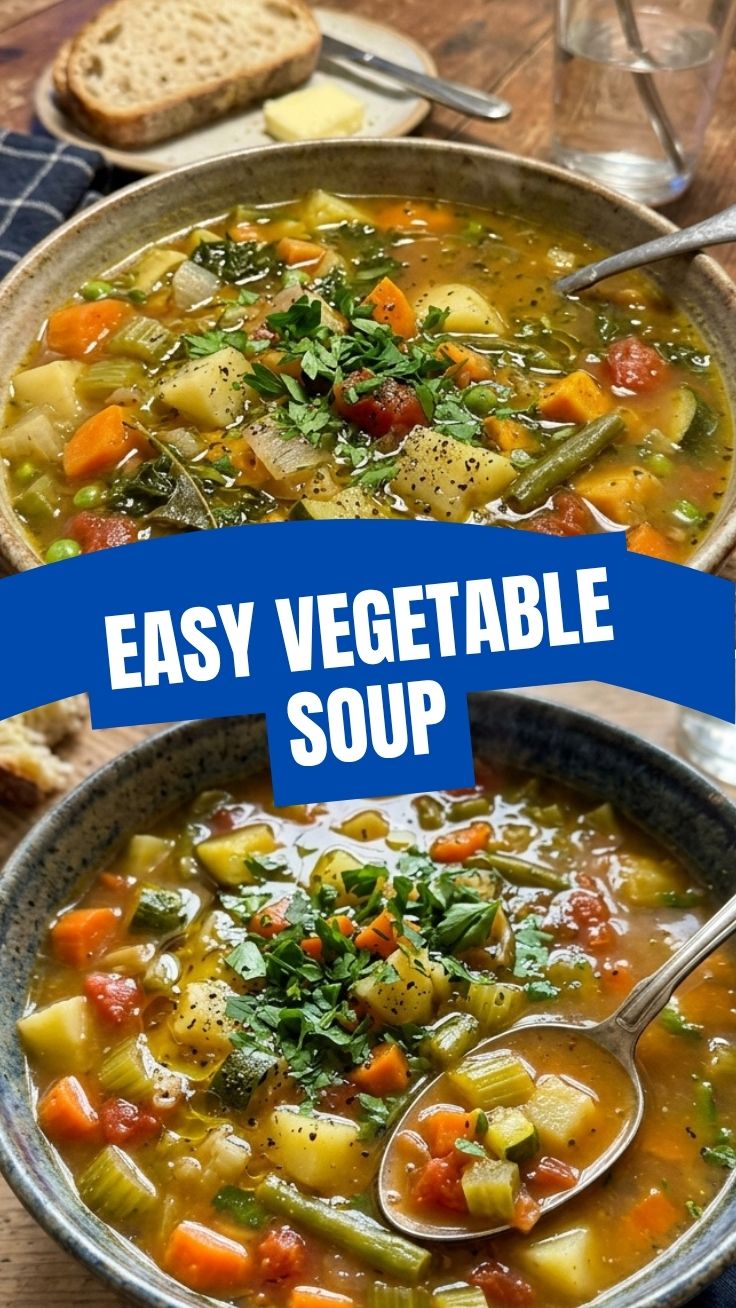
Are you tired of bland, uninspired meals that leave you feeling less than satisfied? Imagine a steaming bowl, bursting with fresh flavors and vibrant colors, a culinary hug that nourishes both body and soul. Today, we’re diving into the art of crafting the ultimate Vegetable Soup (Homemade), a dish that not only warms you from the inside out but also offers an incredible customizable canvas for your culinary creativity. This isn’t just about combining vegetables; it’s about building layers of flavor, mastering simple techniques, and creating a truly wholesome meal from scratch. By preparing this delightful Vegetable Soup (Homemade) at home, you gain complete control over the ingredients, ensuring quality and catering to your exact preferences, making it a stellar addition to your rotation of comforting Soup Recipes.
—
Ingredients & Kitchen Tools
Here’s what you’ll need to embark on this delicious journey. Remember, quality ingredients make all the difference!
Ingredients:
- 2 tablespoons Olive Oil: For sautéing aromatics and building a flavorful base.
- 1 large Onion, chopped: Adds sweetness and depth. Yellow or white onions work best.
- 2 Carrots, peeled and diced: For a touch of sweetness and vibrant color.
- 2 Celery Stalks, diced: Contributes a classic aromatic element and subtle crunch.
- 2 cloves Garlic, minced: Essential for pungent flavor and aroma.
- 1 (28-ounce) can Crushed Tomatoes: Provides a rich, tangy foundation for the broth.
- 6 cups Vegetable Broth (low sodium preferred): The liquid base; low sodium allows for better seasoning control.
- 1 cup Green Beans, trimmed and cut into 1-inch pieces: Adds fresh texture and color. Frozen works if fresh isn’t available.
- 1 cup Diced Potatoes (Yukon Gold or Russet recommended): For heartiness and a creamy texture.
- ½ cup Frozen Peas: Adds a pop of sweetness and vibrant green.
- ½ cup Corn (frozen or fresh): Another sweet element that complements the other vegetables.
- 1 teaspoon Dried Basil: Classic herb, pairs wonderfully with tomatoes and vegetables.
- ½ teaspoon Dried Oregano: Adds an earthy, robust flavor.
- Salt and Freshly Ground Black Pepper, to taste: Crucial for seasoning and enhancing all flavors.
- Optional garnishes: Fresh parsley or basil, grated Parmesan cheese, a drizzle of extra virgin olive oil, crusty bread.
Kitchen Tools:
- Large Pot or Dutch Oven (6-quart minimum): Essential for simmering all those delicious ingredients.
- Cutting Board: For safe and efficient vegetable preparation.
- Chef’s Knife: A sharp knife is crucial for dicing and chopping.
- Measuring Cups and Spoons: For accurate ingredient quantities.
- Wooden Spoon or Spatula: For stirring and sautéing.
- Ladle: For serving your magnificent creation.
—
Prep Time & Cooking Schedule
- Prep Time: 20 minutes (mostly chopping vegetables)
- Cook Time: 35-40 minutes (simmering to perfection)
- Resting Time: 5-10 minutes (allows flavors to meld before serving)
This schedule makes it a perfect weeknight meal or a comforting weekend project. Most of the prep is hands-on chopping, while the cooking time is largely passive simmering, giving you time to relax.
—
Step-by-Step Instructions
Follow these steps closely to achieve a perfectly balanced and flavorful Vegetable Soup (Homemade).
1. Sauté the Aromatics (5 minutes): Heat the olive oil in your large pot or Dutch oven over medium heat. Add the chopped onion, carrots, and celery. Sauté for 5-7 minutes, until the onions are translucent and the vegetables start to soften. This initial sauté develops the foundational flavor.
2. Add Garlic and Spices (1 minute): Stir in the minced garlic, dried basil, and dried oregano. Cook for another minute until fragrant. Be careful not to burn the garlic.
3. Build the Broth (15-20 minutes): Pour in the crushed tomatoes and vegetable broth. Bring the mixture to a simmer. Add the diced potatoes. Reduce heat to low, cover, and let it gently simmer for 15-20 minutes, or until the potatoes are tender. Stir occasionally to prevent sticking. This allows the potatoes to cook through and the flavors to deepen.
4. Introduce Remaining Vegetables (5-7 minutes): Add the green beans, frozen peas, and corn. Continue to simmer, uncovered, for another 5-7 minutes, or until all the vegetables are tender-crisp. You want them cooked but still with a good bite.
5. Season and Serve: Season the Vegetable Soup (Homemade) generously with salt and freshly ground black pepper to taste. Adjust seasoning as needed. Ladle the hot soup into bowls. For an extra layer of flavor and aroma, consider garnishing with fresh parsley or a sprinkle of Parmesan. This hearty and wholesome dish is truly one of the best Soup Recipes you can prepare at home.
—
Nutritional Benefits & Advantages
This homemade vegetable soup is a powerhouse of nutrition:
- Rich in Vitamins and Minerals: Packed with a spectrum of vitamins (A, C, K) and minerals (potassium, iron) from the diverse vegetable selection.
- High in Fiber: Excellent source of dietary fiber, promoting digestive health and helping you feel full and satisfied.
- Low in Calories and Fat: A smart choice for calorie-conscious diets, it allows for a fulfilling meal without excess saturated fats.
- Boosts Hydration: The broth base contributes to your daily fluid intake.
- Immune System Support: The antioxidants and vitamins in the vegetables can help bolster your immune system.
—
Tips, Variations & Cooking Advice
- Add Legumes: For extra protein and fiber, try adding a can of drained and rinsed cannellini beans or chickpeas during step 4.
- Spice it Up: A pinch of red pepper flakes or a dash of hot sauce can add a nice kick.
- Herbal Variations: Experiment with other fresh herbs like thyme or rosemary (add with garlic), or a bay leaf during simmering (remove before serving).
- Grain Power: Stir in cooked pasta (like ditalini or small shells) or a handful of rice during the last 10 minutes of simmering for a more substantial meal.
- Dairy-Free/Vegan: This recipe is naturally vegan and dairy-free!
- Gluten-Free: Ensure your vegetable broth is certified gluten-free if needed.
—
Common Mistakes to Avoid
- Overcooking Vegetables: This leads to mushy textures and loss of nutrients. Add softer vegetables later in the cooking process.
- Under-Seasoning: Don’t be afraid to season throughout the cooking process and adjust at the end. Taste often!
- Using Too Much Water/Broth: This dilutes the flavor. Stick to the recommended amount, or adjust based on your desired consistency.
- Overcrowding the Pot: Make sure your pot is large enough to allow vegetables to simmer evenly; a cramped pot can lead to uneven cooking.
—
Storage & Meal Prep Tips
- Refrigeration: Leftovers store wonderfully in an airtight container in the refrigerator for up to 3-4 days. The flavors often deepen overnight!
- Freezing: This soup freezes beautifully. Portion into individual containers or freezer-safe bags. It will keep in the freezer for up to 3 months. Thaw overnight in the refrigerator before reheating.
- Reheating: Gently reheat on the stovetop over medium-low heat, stirring occasionally, until heated through. You may need to add a splash of additional broth or water to adjust consistency. Avoid boiling rapidly, which can break down vegetables further.
—
Conclusion
Mastering this Vegetable Soup (Homemade) is more than just following a recipe; it’s about embracing the joy of cooking, customizing flavors to your heart’s content, and nourishing yourself and your loved ones with wholesome ingredients. From the initial sauté to the final garnish, each step builds towards a truly satisfying experience. We hope this guide inspires you to whip up your own batch of this comforting soup soon. Share your creations and tweakings with us – there’s a whole world of delicious Soup Recipes waiting to be explored!
—
FAQs
Q1: Can I use different vegetables than listed?
A1: Absolutely! This recipe is incredibly versatile. Feel free to substitute or add vegetables like zucchini, spinach (stir in at the very end), bell peppers, or mushrooms based on what you have on hand or prefer.
Q2: How can I make this soup creamier?
A2: For a creamier texture without adding dairy, you can blend about 1-2 cups of the finished soup with an immersion blender (or transfer carefully to a regular blender), then stir it back into the pot. This thickens the broth beautifully.
Q3: What’s the best way to ensure my vegetables aren’t mushy?
A3: The key is to add vegetables in stages based on their cooking time. Root vegetables like potatoes and carrots go in earlier, while softer greens like peas and corn are added towards the end. Avoid over-simmering.
Q4: Can I make this in a slow cooker?
A4: Yes! Sauté the aromatics (onion, carrot, celery, garlic) first for best flavor, then transfer everything (except quick-cooking veggies like peas and corn) to the slow cooker. Cook on low for 6-8 hours or high for 3-4 hours. Add peas and corn during the last 30 minutes of cooking.