Unlock Culinary Bliss: Your Guide to Perfect Fried Rice (Classic) at Home
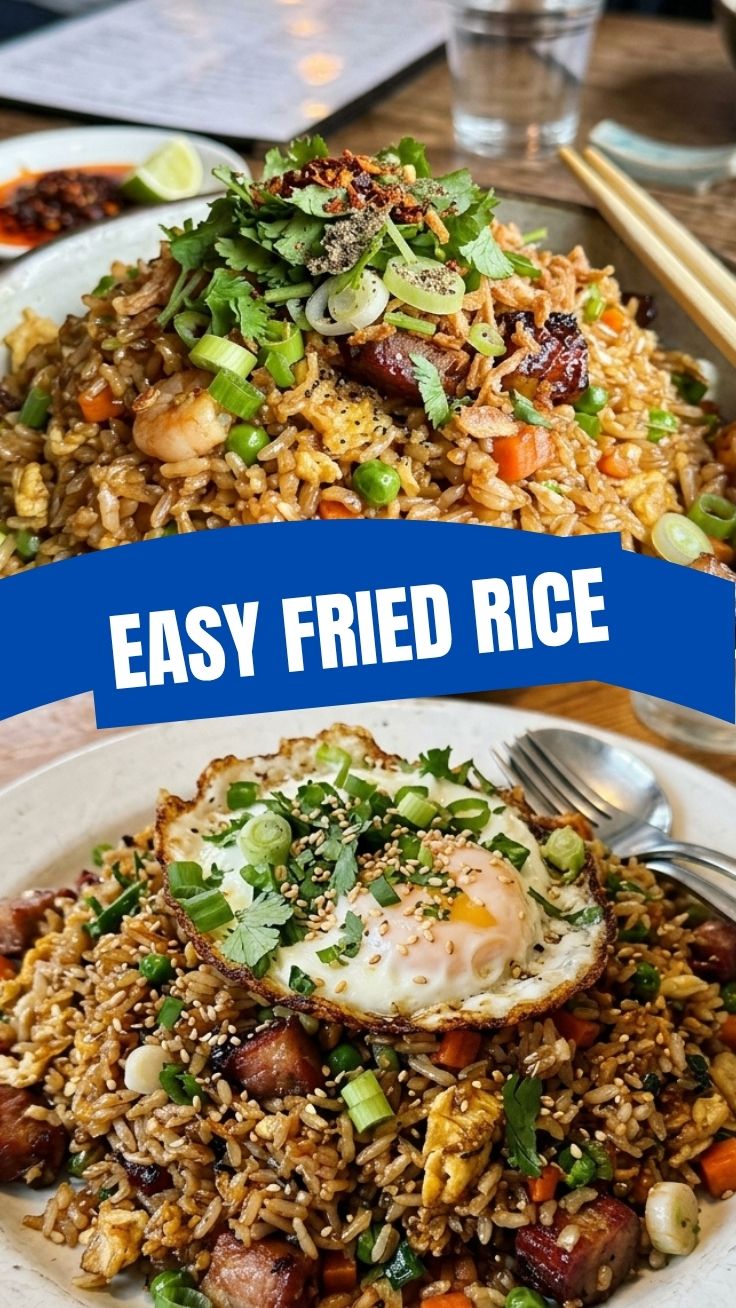
Ever wondered how those tantalizing restaurant-style fried rice dishes burst with such incredible flavor and perfectly separate grains? The secret isn’t some elusive ingredient or ancient technique; it’s a mastery of simple steps and fresh ingredients, all within your grasp! Preparing Fried Rice (Classic) at home not only grants you complete control over the quality and freshness of your meal, but it also allows for personalized adjustments to suit your palate. Say goodbye to greasy takeout and embrace the satisfaction of crafting your own delicious Homemade Fried Rice! This comprehensive guide will equip you with everything you need to create a truly exceptional dish that will impress your family and friends.
Ingredients & Kitchen Tools
- 2 cups cooked and chilled long-grain rice (preferably day-old): ESSENTIAL for achieving the perfect, non-sticky texture. Freshly cooked rice is too moist.
- 2 tablespoons vegetable oil (or peanut oil): High smoke point for stir-frying.
- 1/2 cup diced carrots: Adds sweetness, color, and a slight crunch.
- 1/2 cup frozen peas: Vibrant green, subtle sweetness, and essential for classic fried rice. Can substitute with fresh blanched peas.
- 1/2 cup diced yellow onion: Aromatic base that adds depth of flavor.
- 2 cloves garlic, minced: Pungent and flavorful, a cornerstone of Asian cuisine.
- 1 tablespoon fresh ginger, grated (optional): Adds a zesty, aromatic kick.
- 2 large eggs, lightly beaten: Adds richness, texture, and protein.
- 2 tablespoons soy sauce (low sodium preferred): The primary seasoning, providing umami and saltiness.
- 1 teaspoon sesame oil: Adds a distinctive nutty aroma and flavor.
- 1/2 teaspoon white pepper: A traditional seasoning for a subtle peppery note.
- Salt to taste: Adjust seasoning as needed.
- Optional protein (1/2 cup cooked and diced chicken, shrimp, pork, or tofu): Enhances the nutritional value and heartiness of the dish.
- Green onions, chopped (for garnish): Adds freshness and a pop of color.
- Wok or Large Skillet: Essential for even cooking and stir-frying at high heat.
- Spatula or Wooden Spoon: For stirring and separating rice.
- Small Bowls: For mise en place (prepping ingredients).
Prep Time & Cooking Schedule
- Prep Time: 15 minutes (assuming rice is already cooked and chilled)
- Cook Time: 10-15 minutes
- Total Time: 25-30 minutes
This recipe is incredibly quick once your ingredients are prepped. The key is to have all your components ready before you start cooking, as stir-frying requires constant attention and moves very fast. This makes it a perfect weeknight meal or a fantastic way to utilize leftover rice.
Step-by-Step Instructions
1. Prepare Your Mise en Place: Ensure all your vegetables are diced, garlic and ginger minced, eggs beaten, sauces measured, and optional protein cooked and chopped. Having everything ready by your stovetop is crucial for successful stir-frying.
2. Heat the Wok/Skillet: Place your wok or large skillet over high heat. Add one tablespoon of vegetable oil and swirl to coat the surface. Let it heat until shimmering and almost smoking. This high heat is vital for achieving the “wok hei” (breath of the wok) – a smoky, caramelized flavor.
3. Cook the Eggs: Pour the beaten eggs into the hot wok. Quickly scramble them until just set but still a little moist. Remove them from the wok and set aside.
4. Sauté Aromatics & Vegetables: Add the remaining tablespoon of oil to the wok. Add the diced carrots and onions. Stir-fry for 2-3 minutes until slightly softened. Add the minced garlic and grated ginger (if using) and stir-fry for another minute until fragrant.
5. Add Rice & Peas: Add the cold, day-old rice to the wok. Use your spatula to break up any clumps. Incorporate the frozen peas. Stir-fry vigorously, pressing down on the rice to help it dry out and crisp up slightly, for 3-5 minutes. The goal is to separate the grains and remove moisture.
6. Introduce Protein & Seasonings: If using, add your cooked protein (chicken, shrimp, etc.) to the wok. Pour in the soy sauce and sesame oil. Sprinkle with white pepper and salt to taste. Continue to stir-fry for another 2-3 minutes, ensuring all ingredients are well combined and evenly coated with the sauces. Your Fried Rice (Classic) is coming to life!
7. Return Eggs & Garnish: Add the scrambled eggs back into the wok. Toss everything together briefly. Transfer the Homemade Fried Rice to serving bowls and garnish generously with chopped green onions. Serve immediately!
Nutritional Benefits & Advantages
This dish offers a balanced meal with carbohydrates from the rice, protein from the eggs and optional meat, and essential vitamins and fiber from the vegetables. Carrots provide Vitamin A, while peas offer Vitamin K and C. Using specific oils like peanut oil can contribute to healthy fats. The ability to control sodium levels by using low-sodium soy sauce is a significant advantage over many store-bought alternatives, making it a heart-healthier choice.
Tips, Variations & Cooking Advice
- Rice is Key: Seriously, use day-old, chilled rice! It’s drier and less likely to clump, resulting in perfectly separate grains.
- High Heat, Quick Cooking: Fried rice thrives on high heat and quick movements. Don’t overcrowd your wok, or the ingredients will steam instead of stir-fry. Cook in batches if necessary.
- Flavor Boosts: A dash of oyster sauce adds a rich, savory depth. A pinch of chili flakes or sriracha can introduce a nice spicy kick.
- Vegetable Choices: Feel free to experiment with other quick-cooking vegetables like bell peppers, corn, or bean sprouts. Add them according to their cooking times – tougher veggies first, tender ones later.
- Dietary Adaptations:
* Gluten-Free: Use tamari instead of soy sauce.
* Vegetarian/Vegan: Omit the eggs and meat. Increase the amount of vegetables or add tofu/tempeh. Ensure your sauces are vegan-friendly.
* Low Carb: Substitute some of the rice with cauliflower rice.
Common Mistakes to Avoid
- Using Freshly Cooked Rice: The #1 mistake! It will be soggy and clumpy.
- Overcrowding the Wok: Leads to steaming, not stir-frying, resulting in dull flavors and textures.
- Low Heat: Ingredients won’t caramelize or develop that characteristic fried rice flavor.
- Adding Soy Sauce Too Early: Can make the rice soggy if added too soon. Add it towards the end.
- Not Preparing Ingredients Ahead: Stir-frying is fast; you won’t have time to chop as you go.
Storage & Meal Prep Tips
Leftover fried rice stores wonderfully. Allow it to cool completely before transferring to an airtight container. It can be refrigerated for up to 3-4 days. While technically freezable, the texture might change slightly upon reheating, so it’s best enjoyed fresh or from the fridge. To reheat, microwave in short bursts, stirring occasionally, or stir-fry in a lightly oiled pan until heated through. Add a splash of water or broth if it seems too dry during reheating.
Conclusion
Mastering Fried Rice (Classic) at home is a rewarding culinary journey that opens up a world of customizable, flavorful meals. With fresh ingredients, a hot wok, and a little attention to detail, you can easily replicate and even surpass your favorite takeout versions. Don’t be intimidated; this recipe is incredibly forgiving and adaptable. So, grab your skillet, gather your ingredients, and embark on crafting your very own perfect batch of Homemade Fried Rice. We’d love to hear about your culinary adventures and any unique twists you add! Share your results in the comments below!
FAQs
1. Can I use brown rice for fried rice?
Yes, you can! Just ensure it’s cooked and thoroughly chilled, just like white rice. Brown rice will give a nuttier flavor and chewier texture.
2. How do I prevent my fried rice from getting soggy?
The main culprits are fresh, warm rice and overcrowding the pan. Always use day-old, chilled rice and ensure your wok or skillet is hot enough to evaporate moisture quickly.
3. What’s the best way to get that smoky “wok hei” flavor without a professional wok burner?
Use a very large, heavy-bottomed skillet or cast iron pan that can retain high heat. Don’t overcrowd it, and let the rice sit undisturbed for short periods to allow for some caramelization before stirring.
4. Can I add other sauces like oyster sauce or sriracha?
Absolutely! Oyster sauce adds a savory, slightly sweet depth, while sriracha can introduce a fantastic spicy kick. Feel free to adjust to your taste preferences.
5. How do I adjust cooking times if I’m using raw meat/shrimp?
Cook your raw protein completely before adding the vegetables and rice. Sauté it in the wok, remove it, and then proceed with the recipe, adding the cooked protein back in at the end.