Unlock the Secrets to Authentic Beef Bulgogi at Home
Ever wondered how to recreate that irresistibly savory, slightly sweet, and utterly addictive flavor of restaurant-quality Beef Bulgogi right in your own kitchen? You’re not alone! This iconic dish, a staple of Korean BBQ, might seem intimidating, but with the right guidance, it’s surprisingly simple to master. Preparing it at home not only saves you money but also allows you to control the quality of ingredients, customize flavors to your preference, and impress your family and friends with an authentic culinary experience. This post will guide you through crafting the perfect Beef Bulgogi, ensuring a delightful and memorable meal.
Ingredients & Kitchen Tools
To embark on your Beef Bulgogi journey, gather these essentials:
- For the Beef:
* 1.5 lbs Thinly Sliced Beef Sirloin or Ribeye: The star of the show. Aim for slices about 1/8-inch thick; many Asian markets pre-slice it for convenience. (Substitution: Flank steak, while slightly tougher, can also work when thinly sliced against the grain.)
- For the Marinade:
* 1/2 cup Soy Sauce: Provides the savory umami base. (Substitution: Tamari for a gluten-free option.)
* 1/4 cup Pear Nectar or Grated Asian Pear: A traditional tenderizer and natural sweetener. (Substitution: Apple juice or 1 tbsp brown sugar can substitute for sweetness, but may lack the tenderizing enzymes.)
* 2-3 tbsp Brown Sugar: Balances the savory notes and promotes caramelization. Adjust to your sweetness preference.
* 2 tbsp Sesame Oil: Adds a distinctive nutty aroma and flavor.
* 1 tbsp Minced Garlic: Essential for that pungent, aromatic kick.
* 1 tbsp Grated Fresh Ginger: A zesty complement to the garlic.
* 1 Green Onion (scallion), chopped: Adds a mild oniony freshness.
* 1/2 tsp Black Pepper: A touch of spice to round out the flavors.
- For Garnish & Serving:
* Toasted Sesame Seeds: For a decorative flourish and added nutty crunch.
* Additional Chopped Green Onions: For fresh garnish.
* Cooked Rice: The perfect accompaniment to soak up the delicious sauce.
* Lettuce Wraps (optional): For a traditional Korean BBQ experience.
* Kimchi (optional): For a spicy, fermented side.
- Kitchen Tools:
* Large Mixing Bowl: For combining the marinade and beef.
* Whisk: To ensure the marinade ingredients are well combined.
* Large Skillet or Wok: For searing the beef quickly and evenly. A cast-iron skillet works excellently for achieving a good sear.
* Measuring Cups and Spoons: For precise ingredient measurements.
* Cutting Board and Sharp Knife: For preparing beef (if not pre-sliced) and aromatics.
Prep Time & Cooking Schedule
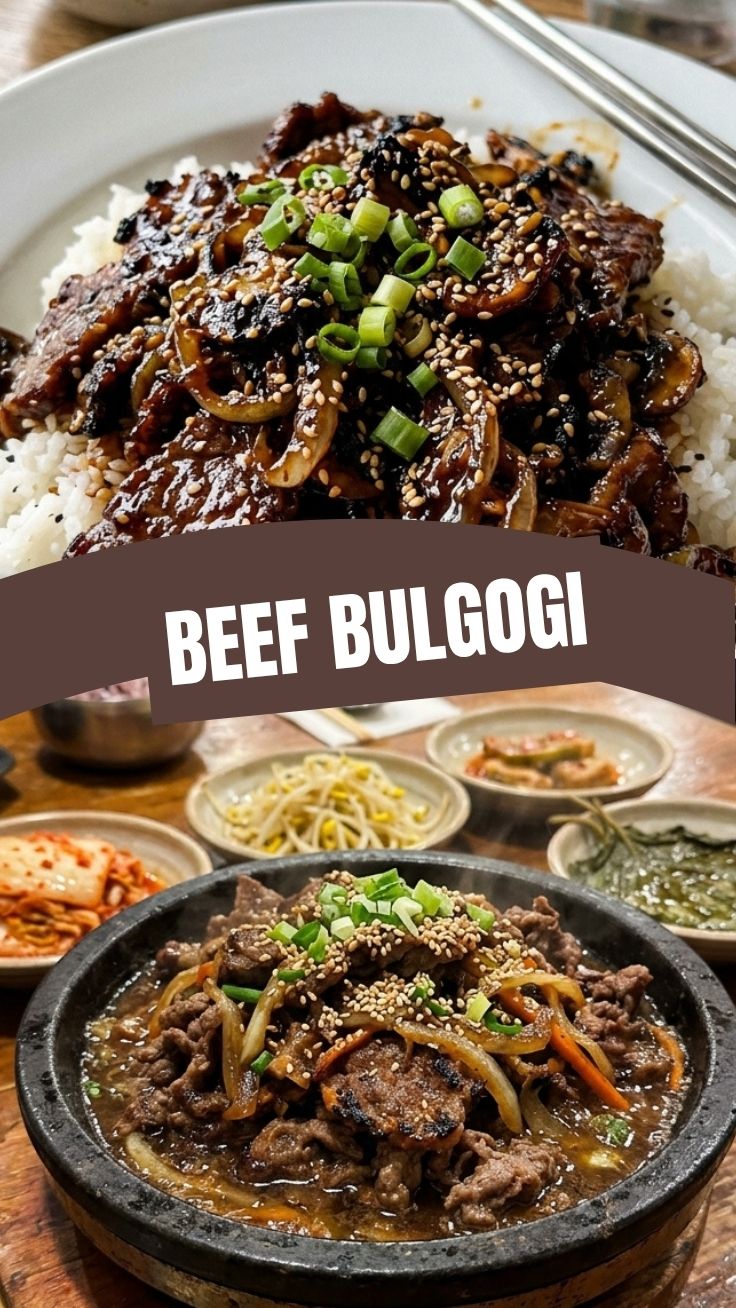
This recipe requires a balance of active and inactive time, making it perfect for efficient meal planning.
- Prep Time: 15 minutes (for slicing beef and preparing marinade ingredients)
- Marinating Time: Minimum 30 minutes, ideally 2-4 hours, or overnight for maximum flavor penetration and tenderness. This inactive time is crucial for the beef to absorb the marinade.
- Cook Time: 10-15 minutes (per batch)
- Total Project Time: 1 hour to 12 hours (depending on marinating duration)
Plan to marinate your beef ahead of time. You can whisk together the marinade in the morning, add the beef, and let it tenderize in the refrigerator all day, ready for a quick stir-fry in the evening.
Step-by-Step Instructions
1. Prepare the Beef: If your beef isn’t pre-sliced, place it in the freezer for about 15-20 minutes to firm up slightly. This makes it easier to slice very thin against the grain. Aim for slices roughly 1/8-inch thick.
2. Whisk the Marinade: In a large mixing bowl, combine the soy sauce, pear nectar (or grated pear), brown sugar, sesame oil, minced garlic, grated ginger, chopped green onion, and black pepper. Whisk until the brown sugar is fully dissolved.
3. Marinate the Beef: Add the thinly sliced beef to the marinade. Use your hands to ensure every piece is thoroughly coated. Cover the bowl with plastic wrap and refrigerate for at least 30 minutes, or ideally 2-4 hours. For the most flavorful and tender Beef Bulgogi, overnight marinating is recommended.
4. Cook the Beef: Heat a large skillet or wok over high heat until it’s very hot. Add a small amount of neutral oil (like vegetable or canola oil). Pro tip: Do not overcrowd the pan. Cook the beef in batches to ensure a good sear and avoid steaming. Overcrowding cools the pan and results in gray, boiled meat instead of caramelized perfection.
5. Sear to Perfection: Add a single layer of marinated beef to the hot pan. Cook for 2-3 minutes per side, stirring occasionally until the beef is browned and slightly caramelized. The goal is a quick sear to lock in juices and develop that signature Korean BBQ flavor.
6. Serve Immediately: Once cooked, transfer the beef to a serving platter. Repeat with the remaining beef batches. Garnish with toasted sesame seeds and extra chopped green onions. Serve hot with steamed rice and your favorite banchan (side dishes).
Nutritional Benefits & Advantages
Beef Bulgogi offers more than just incredible flavor. Beef is an excellent source of high-quality protein, essential for muscle repair and growth. It’s also rich in iron, vital for healthy blood oxygen transport, and B vitamins, which play a crucial role in energy metabolism. The marinade, with its garlic and ginger, provides antioxidants and anti-inflammatory properties. When served with rice and fresh vegetables (like those often included in lettuce wraps), this dish becomes a well-balanced meal, providing complex carbohydrates, fiber, and micronutrients.
Tips, Variations & Cooking Advice
- Spice It Up: For a spicier kick, add 1-2 teaspoons of gochujang (Korean chili paste) to the marinade.
- Vegetable Inclusions: Stir-fry thinly sliced onions, bell peppers, or mushrooms alongside the beef for added texture and nutrients. Add them towards the end of cooking to maintain a slight crispness.
- Different Cuts: While sirloin and ribeye are traditional, leaner cuts like flank steak or even ground beef (for a quick bowl version) can work. Adjust cooking time accordingly.
- Grilling: For an authentic Korean BBQ experience, cook the marinated beef on a hot grill or a tabletop grill. The char adds another layer of flavor.
- Dietary Adaptations:
* Gluten-Free: Use tamari instead of soy sauce.
* Low-Carb: Reduce or omit brown sugar and serve with cauliflower rice or lettuce wraps.
Common Mistakes to Avoid
- Not Marinating Long Enough: This is crucial for tenderness and flavor. Don’t skimp on marinating time.
- Overcrowding the Pan: This is the most common mistake! It lowers the pan temperature, preventing a proper sear and leading to boiled beef. Cook in batches, even if it takes longer.
- Overcooking the Beef: Thinly sliced beef cooks very quickly. Overcooking will make it tough and dry. Watch it closely and remove it from heat as soon as it’s done.
- Too Much Sauce in the Pan: If your marinade is very watery, drain some of the excess before cooking, or you’ll end up stewing the meat instead of searing it. A little marinade is good for flavor, but too much will steam the beef.
Storage & Meal Prep Tips
Cooked Beef Bulgogi stores well, making it great for meal prep!
- Refrigeration: Store leftover cooked bulgogi in an airtight container in the refrigerator for up to 3-4 days.
- Freezing: Cooked bulgogi can be frozen in an airtight container or freezer bag for up to 2-3 months. Thaw overnight in the refrigerator before reheating.
- Reheating: Reheat gently in a skillet over medium heat until warmed through, or microwave in short intervals, stirring occasionally. Avoid high heat to prevent drying out the beef.
- Meal Prep Bowls: Portion cooked bulgogi with rice and a side of kimchi or blanched vegetables for ready-to-go lunch bowls throughout the week.
Conclusion
There you have it – a comprehensive guide to mastering homemade Beef Bulgogi. From understanding the key ingredients and techniques to avoiding common pitfalls, you now have all the tools to create a dish that rivals any restaurant. Don’t let the mystique of Korean BBQ deter you; this recipe is a delicious and rewarding culinary adventure. We encourage you to try this recipe, experiment with the variations, and share your delightful results with us! Happy cooking!
FAQs
Q: Can I use frozen beef for Bulgogi?
A: Yes, but ensure it’s completely thawed before slicing and marinating. Freezing it briefly can actually help achieve those super-thin slices.
Q: What if I can’t find pear nectar or an Asian pear?
A: As noted, apple juice can be a substitute for sweetness and some liquid. For optimal tenderness, some people use a tiny pinch of baking soda (about 1/4 teaspoon per pound of beef) in the marinade as a tenderizer, but be careful not to overdo it as it can alter texture.
Q: Why is my Bulgogi watery instead of seared?
A: This usually happens from overcrowding the pan or not having the pan hot enough. Ensure you cook in small batches over high heat and let the pan regain heat between batches if necessary.
Q: What are common side dishes for Bulgogi?
A: Steamed white rice, various kinds of kimchi, pickled radishes, quick cucumber salads, and blanched or stir-fried greens are popular choices. Lettuce leaves are also common for wrapping the meat.
Q: How can I make this recipe in a pressure cooker or instant pot?
A: While possible, traditional bulgogi is meant to be quickly seared for caramelization. A pressure cooker approach would yield a more stew-like texture, which is a different dish entirely, though still delicious. For authentic bulgogi, stick to a skillet or grill.