Master the Perfect Philly Cheesesteak at Home: Your Ultimate Guide
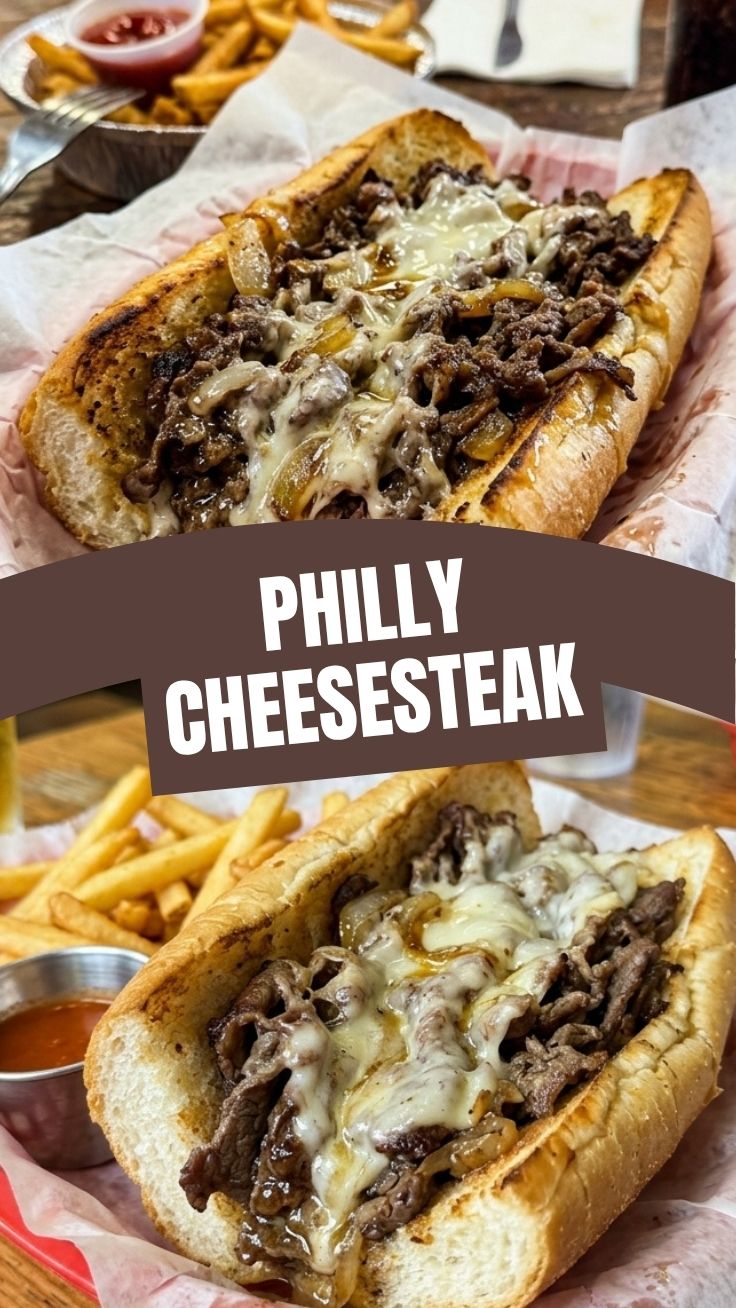
Ever wondered if you could recreate that iconic, mouth-watering Philly Cheesesteak experience right in your own kitchen? The good news is, you absolutely can! This ultimate guide will walk you through crafting a truly authentic and incredibly satisfying cheesesteak sandwich from scratch, proving that restaurant-quality flavor is just a few steps away. Forget expensive takeout; mastering this classic comfort food at home not only saves you money but also allows you to customize every aspect to your exact preference. Get ready to elevate your culinary game and impress your taste buds with this unforgettable dish.
Ingredients & Kitchen Tools
To embark on your Philly Cheesesteak journey, gather these essential components:
- Ribeye Steak (1.5 lbs, thinly sliced): The cornerstone of an authentic cheesesteak. Ask your butcher to slice it thin for optimal tenderness, or partially freeze it for 30 minutes before slicing yourself.
- Provolone Cheese (8-10 slices): The traditional choice, melts beautifully. Sharp or mild, your preference.
- Onions (1 large, thinly sliced): Caramelized onions add a crucial layer of sweetness and depth. Yellow or white onions work best.
- Green Bell Pepper (1, thinly sliced – optional): For a “Philly Cheesesteak Hoagie” version, adding a fresh, slightly bitter note.
- Butter (2 tbsp): For sautéing vegetables and toasting rolls, adds richness. Unsalted is preferred for control over seasoning.
- Olive Oil (1 tbsp): For searing the steak, handles high heat well.
- Hoagie Rolls (4 high-quality, 8-inch): Crucial for the sandwich’s integrity. Look for soft yet resilient rolls that can absorb juices without falling apart. Amoroso rolls are the gold standard.
- Salt & Black Pepper (to taste): Essential seasonings to bring out the flavors.
- Worcestershire Sauce (1 tsp – optional): Adds an umami kick to the steak.
- Kitchen Tools: Large skillet or griddle, spatula, sharp knife, cutting board.
Prep Time & Cooking Schedule
- Prep Time: 20-25 minutes (includes slicing steak and vegetables).
- Cook Time: 15-20 minutes (per batch, depending on skillet size).
- Resting Time: None required – best served immediately!
Plan to start your prep about 45 minutes before you want to serve, as the cooking process is relatively quick once ingredients are prepped. This makes it a great weeknight meal for those craving a delicious, hearty cheesesteak sandwich.
Step-by-Step Instructions
1. Prepare the Vegetables: In a large skillet or on a griddle over medium heat, melt 1 tablespoon of butter. Add the thinly sliced onions and bell peppers (if using). Sauté, stirring occasionally, until softened and caramelized, about 10-15 minutes. Remove from the skillet and set aside.
2. Cook the Steak: Increase the heat to medium-high. Add 1 tablespoon of olive oil to the same skillet. Once shimmering, add the thinly sliced ribeye steak in a single layer. Season generously with salt and pepper. Cook for 1-2 minutes per side until browned, then chop the steak with your spatula into smaller, bite-sized pieces directly in the pan. If using, add a dash of Worcestershire sauce.
3. Combine & Melt: Push the cooked steak to one side of the skillet. Add the caramelized onions (and peppers) back into the pan, mixing them with the steak. Divide the mixture into sections, one for each sandwich you’re making. Lay 2-3 slices of provolone cheese over each section of the steak and onion mixture. Cover the skillet with a lid or foil for a minute or two, allowing the cheese to melt into a gooey, delicious blanket.
4. Prepare the Rolls: While the cheese is melting, lightly butter the cut sides of your hoagie rolls. You can toast them in a separate pan or under a broiler for a minute until golden brown and slightly crispy.
5. Assemble Your Philly Cheesesteak: Carefully scoop the cheesy steak mixture into the toasted hoagie rolls. Serve immediately and savor your homemade cheesesteak sandwich masterpiece!
Nutritional Benefits & Advantages
While a Philly Cheesesteak might seem like pure indulgence, it offers some noteworthy nutritional components. Ribeye steak is an excellent source of high-quality protein, crucial for muscle repair and growth, as well as essential B vitamins (B12, niacin) and iron, vital for energy production and preventing anemia. Onions contribute dietary fiber, vitamin C, and potent antioxidants. Opting for unbleached, whole-grain hoagie rolls can increase fiber intake, making it a more balanced meal. Preparing it at home gives you control over the amount and quality of ingredients, allowing you to reduce sodium or choose leaner cuts of meat if desired.
Tips, Variations & Cooking Advice
- The Cheese Debate: While Provolone is classic, American cheese (white or yellow) or Cheez Whiz are also popular and authentic “Philly” options. Experiment to find your favorite.
- Add-ins: Beyond onions and peppers, consider mushrooms, hot cherry peppers, or even a dash of red pepper flakes for heat.
- Steak Prep: For easier slicing, partially freeze your ribeye for about 30 minutes before cutting it against the grain into very thin pieces.
- Griddle vs. Skillet: A flattop griddle provides a larger, more even cooking surface, ideal for multiple sandwiches. For home cooks, a large, heavy-bottomed cast-iron skillet works perfectly.
- Roll Quality: Do not skimp on the hoagie rolls! A good roll is sturdy enough to hold the juicy fillings but soft enough to be enjoyable to bite into.
Common Mistakes to Avoid
- Overcooking the Steak: Ribeye cooks quickly due to its thin slicing. Overcooking will make it tough and dry. Aim for tender, slightly browned pieces.
- Using the Wrong Cut of Meat: While other cuts can work, ribeye has the perfect marbling for tenderness and flavor. Leaner cuts tend to dry out.
- Soggy Rolls: Ensure your rolls are toasted slightly to create a barrier against the juicy filling, preventing them from becoming soggy too quickly.
- Cold Cheese: The cheese needs to be melted directly onto the hot steak mixture for that characteristic gooeyness. Don’t add cold cheese at the end.
Storage & Meal Prep Tips
A freshly made Philly Cheesesteak is always best, but if you have leftovers, they can be stored.
- Storage: The cooked steak and onion mixture can be stored in an airtight container in the refrigerator for up to 3 days. Store rolls separately.
- Reheating: Reheat the steak mixture gently in a skillet over medium heat until warmed through, then assemble into a fresh, toasted roll with melted cheese. Microwaving may make the steak tough. Freezing fully assembled sandwiches is not recommended as the bread will become very soggy upon thawing.
Conclusion
There you have it – your definitive guide to crafting an authentic, unforgettable Philly Cheesesteak right in your own kitchen. This isn’t just about assembling a meal; it’s about mastering a culinary tradition, bringing that iconic East Coast flavor directly to your table. By following these steps, you’ve not only unlocked the secrets to a perfect cheesesteak sandwich but also gained confidence in tackling classic comfort food. Don’t hesitate to dive in and try this recipe yourself. We’d love to hear about your culinary adventure and see your delicious results in the comments below!
FAQs
Q1: Can I use pre-sliced steak from the grocery store?
A1: Yes, many grocery stores offer pre-sliced “Philly steak” or “sandwich steaks.” Just ensure it’s still good quality and very thinly cut for the best texture.
Q2: What’s the best way to slice the ribeye thinly at home?
A2: Partially freeze the steak for about 30 minutes. This firms it up, making it much easier to slice against the grain into paper-thin pieces using a very sharp knife.
Q3: Is Cheez Whiz really authentic for a Philly Cheesesteak?
A3: Absolutely! While provolone is a classic, Cheez Whiz is a highly popular and historically significant choice for many beloved cheesesteak spots in Philadelphia. It provides a unique creamy, salty kick.
Q4: My rolls are getting soggy. What can I do?
A4: Ensure your rolls are toasted thoroughly (but not burnt!) before adding the filling. This creates a barrier. Also, serve immediately after assembly – the longer it sits, the more juice the bread will absorb.
Q5: Can I make this with chicken instead of beef?
A5: Yes, a “Chicken Cheesesteak” is a very popular variation! Simply substitute thinly sliced chicken breast or thigh for the ribeye and follow the same cooking method.