Unleash the Magic of Homemade Tres Leches Cake: Your Guide to a Fluffy, Flavorful Masterpiece!
Ever wondered how to create a dessert that’s not just sweet but truly enchanting? Imagine a cake so moist, so rich, it practically melts in your mouth – a symphony of textures and flavors that transports you straight to a sun-drenched Latin American kitchen. That, my friends, is the allure of homemade Tres Leches Cake. Beyond the seemingly complex name, preparing this classic at home offers unparalleled satisfaction: fresh ingredients, customizable flavors, and the undeniable pride of serving a beloved confection. Forget store-bought imitations; mastering this ethereal delight is a culinary journey well worth taking. And speaking of delightful endeavors, exploring more homemade dessert recipes can elevate your baking game to new heights, making every occasion a celebration.
Ingredients & Kitchen Tools
Crafting the perfect Tres Leches Cake requires a thoughtful selection of ingredients and the right tools. Here’s what you’ll need:
For the Cake:
- All-Purpose Flour (1 ½ cups): The structural backbone for a tender crumb.
- Granulated Sugar (1 ½ cups): Sweetness and caramelization for a golden hue.
- Baking Powder (1 ½ tsp): Leavening agent for a light, airy texture.
- Salt (½ tsp): Enhances other flavors, providing balance.
- Eggs (5 large): Provides structure, richness, and moisture.
- Milk (½ cup): Adds moisture and tenderizes the cake.
- Vanilla Extract (1 tsp): Essential for that classic, comforting aroma.
For the Milk Soak:
- Evaporated Milk (1 can, 12 oz): Provides a creamy richness without being too heavy.
- Sweetened Condensed Milk (1 can, 14 oz): The key to the cake’s signature sweetness and syrupy texture.
- Heavy Cream (½ cup): Adds a luscious, velvety mouthfeel to the soak.
- Vanilla Extract (1 tsp): Further infuses the soak with fragrant notes.
For the Whipped Topping:
- Heavy Cream (2 cups, cold): Whips up into a light, fluffy topping.
- Powdered Sugar (½ cup): Sweetens the cream and helps stabilize it.
- Vanilla Extract (1 tsp): Complements the cake’s flavor profile.
Kitchen Tools:
- 9×13 inch Baking Pan: The ideal size for this cake.
- Electric Mixer (stand or hand-held): For whisking eggs and whipping cream to perfection.
- Mixing Bowls (various sizes): For separating ingredients and combining mixtures.
- Whisk: For dry ingredients.
- Rubber Spatula: For gentle folding and scraping.
- Measuring Cups & Spoons: Accuracy is key in baking.
- Toothpicks or Fork: For piercing the cake to absorb the milk soak.
Prep Time & Cooking Schedule
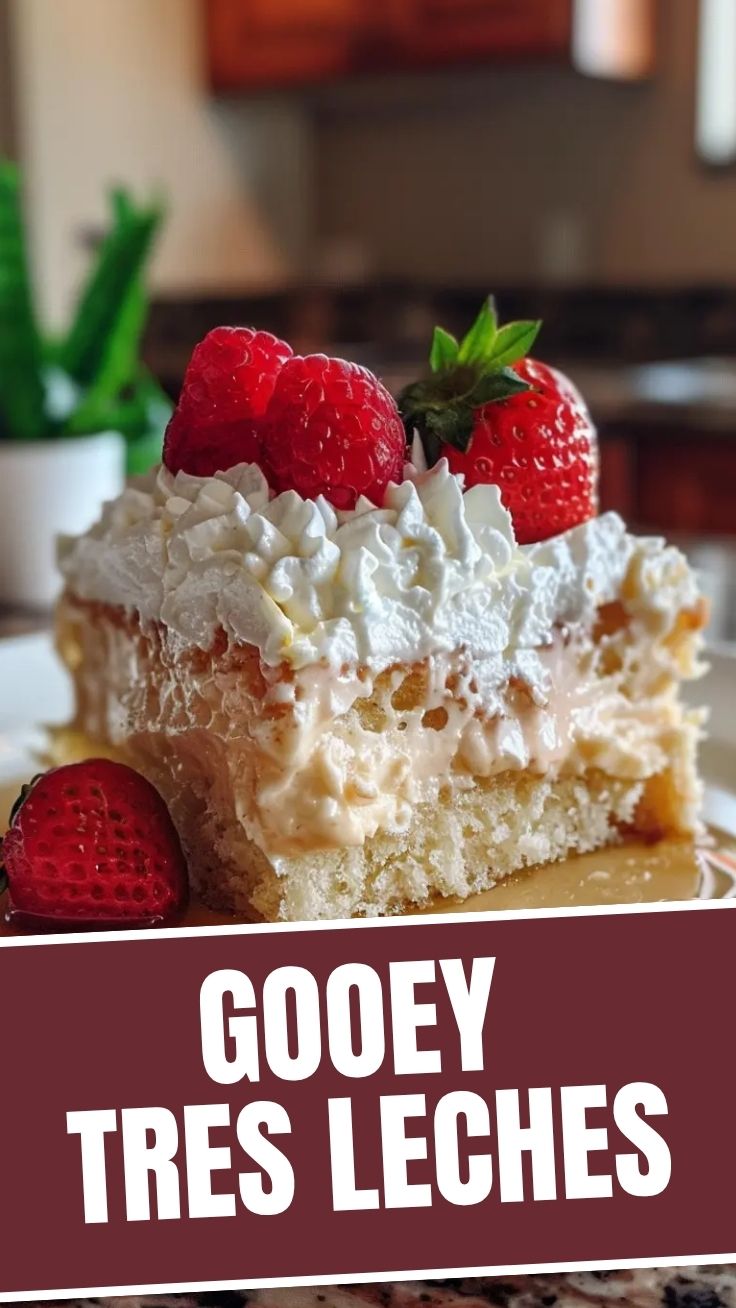
Planning is essential for a stress-free baking experience. This Tres Leches Cake recipe requires a bit of foresight, primarily for cooling and soaking.
- Prep Time: 25 minutes (active hands-on time for mixing batter and preparing topping).
- Cook Time: 30-35 minutes (baking the cake).
- Cooling Time: 1-2 hours (important for the cake to set before soaking).
- Soaking Time: Minimum 4 hours, preferably overnight (the longer, the better for maximum flavor absorption).
Total Estimated Time: 7-8 hours or overnight. This recipe is perfect for making the day before a gathering, allowing ample time for chilling and flavor development.
Step-by-Step Instructions
Embark on your journey to a perfect Tres Leches Cake with these detailed steps:
1. Preheat & Prep: Preheat your oven to 350°F (175°C). Grease and flour a 9×13 inch baking pan, ensuring it’s evenly coated. This prevents sticking and ensures a clean release.
2. Combine Dry Ingredients: In a medium bowl, whisk together the flour, baking powder, and salt. Set aside.
3. Whip Egg Whites: In a large, clean bowl with an electric mixer, beat the egg whites on medium-high speed until soft peaks form. Gradually add ½ cup of the granulated sugar, beating until stiff, glossy peaks form. Transfer to another bowl and set aside. This provides the structure and a light texture.
4. Beat Egg Yolks: In the same large bowl (no need to clean), beat the egg yolks with the remaining 1 cup of granulated sugar until light yellow and thick, about 3-5 minutes.
5. Add Wet Ingredients: Slowly mix in the ½ cup milk and 1 teaspoon vanilla extract into the egg yolk mixture until just combined.
6. Combine Wet & Dry: Gradually add the dry ingredients to the egg yolk mixture, mixing on low speed until just combined. Be careful not to overmix, as this can lead to a tough cake.
7. Fold in Egg Whites: Gently fold the stiff egg whites into the batter in two additions using a rubber spatula. Use a cutting and folding motion to incorporate without deflating the airy whites. This is crucial for a light crumb.
8. Bake the Cake: Pour the batter into the prepared baking pan. Bake for 30-35 minutes, or until a toothpick inserted into the center comes out clean.
9. Cool & Pierce: Let the cake cool completely in the pan on a wire rack for at least 1-2 hours. Once cool, use a fork or toothpick to generously pierce holes all over the top of the cake. This allows the milk soak to penetrate deeply.
10. Prepare the Milk Soak: In a separate bowl, whisk together the evaporated milk, sweetened condensed milk, heavy cream, and 1 teaspoon vanilla extract until well combined.
11. Soak the Cake: Slowly and evenly pour the milk mixture over the entire surface of the cooled, pierced cake. It will look like a lot of liquid, but trust the process – the cake will absorb it all.
12. Chill: Cover the pan with plastic wrap and refrigerate for at least 4 hours, or ideally overnight, allowing the cake to fully absorb the milks and develop its rich flavor. This extended chilling time is also what makes many dessert recipes truly shine.
13. Prepare Whipped Topping: Just before serving, whip the cold heavy cream, powdered sugar, and 1 teaspoon vanilla extract together in a large bowl with an electric mixer on high speed until stiff peaks form.
14. Serve: Spread the whipped topping evenly over the chilled, soaked cake. Garnish with fresh fruit (like berries), cinnamon, or cocoa powder if desired. Slice and serve cold.
Nutritional Benefits & Advantages
Beyond its indulgent taste, Tres Leches Cake, when enjoyed in moderation, offers some interesting nutritional aspects. The three types of milk contribute a significant amount of calcium, protein, and Vitamin D, essential for bone health and overall bodily functions. Eggs provide high-quality protein and essential vitamins like B12. While it is a dessert, the presence of these dairy products means it’s not entirely devoid of micronutrients. Opting for homemade allows you to control the quality of ingredients, choosing organic or local options, and potentially reducing excessive sugar if desired (though for this classic, the sweetness is part of the charm!).
Tips, Variations & Cooking Advice
- Flavor Boost: Add a touch of rum or Kahlua to the milk soak for an adult twist. Almond extract can also enhance the vanilla notes.
- Chocolate Tres Leches: Substitute ¼ cup of flour with cocoa powder for a rich chocolate sponge.
- Fruity Twist: Serve with fresh berries, sliced mango, or grilled pineapple for a vibrant contrast to the sweetness.
- Individual Portions: Bake the cake in a muffin tin or small ramekins for individual servings. Adjust baking time accordingly.
- Dairy-Free (Advanced): While challenging, you can attempt a dairy-free version using coconut milk, coconut sweetened condensed milk, and full-fat coconut cream. The texture will be different but still delicious.
- Gluten-Free: Use a good quality 1:1 gluten-free all-purpose flour blend. Ensure the blend contains xanthan gum.
- Don’t Rush the Chill: The longer the cake soaks and chills, the better the flavor and moisture distribution. Resist the urge to cut into it too early!
Common Mistakes to Avoid
- Overmixing the Batter: This develops too much gluten, resulting in a tough, dry cake. Mix until just combined.
- Not Cooling the Cake Enough: If you pour the cold milk mixture over a warm cake, it can become mushy or even fall apart. Patience is key!
- Under-Piercing: Don’t be shy with the toothpick! The more holes, the better the cake absorbs the luscious milk soak.
- Rushing the Soaking Time: The magic of Tres Leches Cake lies in its complete saturation. Give it ample time in the fridge.
- Using Warm Heavy Cream for Topping: Cold heavy cream whips up faster and holds its shape much better.
Storage & Meal Prep Tips
- Refrigeration: Store leftover Tres Leches Cake covered tightly in the refrigerator for up to 3-4 days. The cake actually tastes better the next day as the flavors continue to meld.
- Freezing: Freezing is not recommended for the fully assembled cake with whipped topping, as the texture of the topping can degrade upon thawing. You can freeze the baked and cooled (but not yet soaked) cake base, wrapped tightly in plastic wrap and then foil, for up to 1 month. Thaw in the refrigerator before soaking and topping.
- Reheating: This cake is best served cold, so no reheating is necessary!
Conclusion
There you have it – your comprehensive guide to creating a truly spectacular homemade Tres Leches Cake. From the perfectly airy sponge to the luxurious milk soak and the cloud-like whipped topping, every element harmonizes to create a dessert experience unlike any other. By following these steps and incorporating our expert tips, you’re not just baking a cake; you’re crafting an edible masterpiece that will impress and delight. So, roll up your sleeves, gather your ingredients, and dive into the satisfying world of home baking. We encourage you to try this recipe, share your delicious results with us, and continue exploring the vast and wonderful world of dessert recipes!
FAQs
Q1: Can I make the sponge cake ahead of time?
A1: Yes, you can bake the sponge cake a day or two in advance. Store it uncovered at room temperature or lightly covered once cooled, then proceed with the soaking and topping when ready.
Q2: My whipped topping isn’t holding its shape. What went wrong?
A2: Ensure your heavy cream is very cold when you start whipping, and beat it until stiff peaks form. Over-whipping can also turn it grainy, so stop as soon as it reaches stiff peaks. Chilling your bowl and whisk for 15 minutes before starting can also help.
Q3: Can I use different types of milk for the soak?
A3: While the classic uses evaporated, sweetened condensed, and heavy cream for their specific textures and sweetness, you _could_ experiment with adding a touch of whole milk or half-and-half. However, this might alter the traditional consistency and richness of the soak.
Q4: How do I know the cake has absorbed enough milk?
A4: After soaking, the cake should feel noticeably heavier and denser, and pressing on the top should yield a slight give, indicating it’s fully saturated. There might be a very thin layer of milk at the bottom of the pan, which is normal.
Q5: What’s the best way to cut clean slices?
A5: For clean slices, use a sharp, thin knife. Wipe the knife clean with a damp cloth after each cut to prevent crumbs and cream from sticking and making subsequent cuts messy.