Crafting the Perfect Primavera: A Seasonal Symphony of Freshness
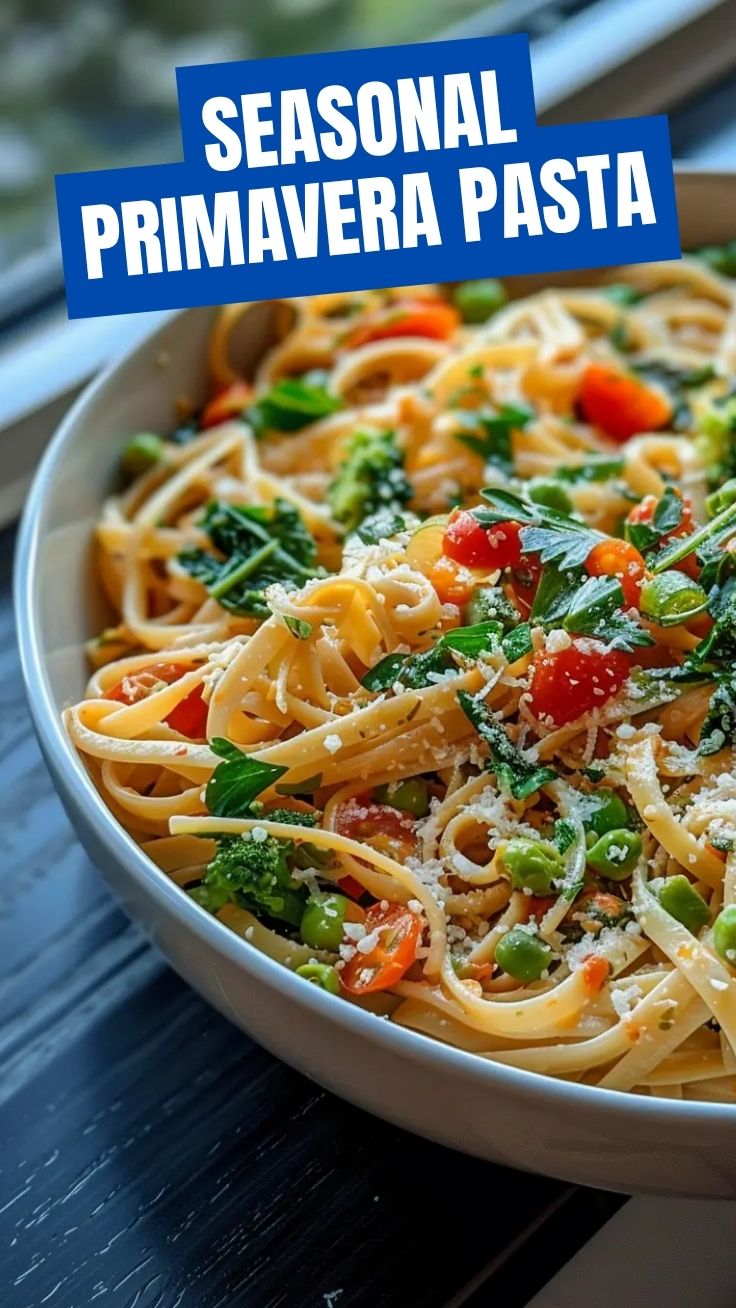
Ever wondered how to bring the vibrant colors and fresh flavors of spring to your dinner table in under 30 minutes? The answer, my friends, is simpler and more delicious than you might imagine. Today, we’re diving into the delightful world of homemade pasta dishes, specifically focusing on a dish that embodies seasonal freshness: the incredible Pasta Primavera. This isn’t just about combining pasta and vegetables; it’s about creating a harmonious meal that celebrates the bounty of the season, offering a healthy and satisfying option for any weeknight or special occasion. Preparing a Primavera pasta recipe at home not only guarantees fresh ingredients and customized flavors but also provides a deeply fulfilling culinary experience.
Ingredients & Kitchen Tools
Here’s what you’ll need to create this culinary masterpiece, with some handy tips for each:
- Fresh Pasta (1 lb / 450g): Linguine, fettuccine, or spaghetti work wonderfully. Fresh pasta cooks faster and has a delightful texture.
- Assorted Spring Vegetables (4-5 cups chopped): Think asparagus (trimmed, cut into 1-inch pieces), snap peas (trimmed), red bell pepper (diced), zucchini (halved, sliced), cherry tomatoes (halved), and spinach (roughly chopped). These provide a burst of color and nutrients.
- Garlic (3-4 cloves): Minced. The aromatic backbone of our dish.
- Shallots (2 small): Finely diced. Offers a milder, sweeter onion flavor than traditional onions.
- Olive Oil (3 tbsp): Extra virgin, for sautéing and finishing.
- Vegetable Broth (1/2 cup): Low sodium. Adds depth and helps create a light sauce.
- Lemon (1): Zest and juice. Brightness and acidity are key.
- Parmesan Cheese (1/2 cup grated): Plus more for serving. Adds a salty, umami kick. Optional: nutritional yeast for a dairy-free alternative.
- Fresh Basil (1/4 cup chopped): Or parsley. For a fresh, herbaceous finish.
- Salt & Black Pepper: To taste.
- Optional Protein: Cooked shrimp, grilled chicken, or cannellini beans for added substance.
- Large Pot: For cooking pasta.
- Large Skillet or Dutch Oven: For sautéing vegetables and combining the dish.
- Colander: For draining pasta.
- Zester/Grater: For lemon zest and Parmesan.
Prep Time & Cooking Schedule
- Prep time: 15 minutes. This includes washing, chopping all your vegetables, mincing garlic, and zesting the lemon. Having everything ready before you start cooking is crucial for a smooth process.
- Cook time: 15-20 minutes. This dish comes together quickly once the prep is done, making it perfect for a weeknight meal.
- Resting time: None! Serve immediately to enjoy the peak freshness of the ingredients.
Step-by-Step Instructions
1. Boil the Pasta: Bring a large pot of salted water to a rolling boil. Add your chosen pasta and cook according to package directions until al dente. Before draining, reserve about 1 cup of the starchy pasta water. This will be invaluable for creating a silky sauce for your Pasta Primavera.
2. Sauté Aromatics: While the pasta cooks, heat 2 tablespoons of olive oil in a large skillet or Dutch oven over medium heat. Add the diced shallots and sauté for 2-3 minutes until softened. Add the minced garlic and cook for another minute until fragrant, being careful not to burn it.
3. Add Vegetables: Introduce the firmer vegetables first: asparagus, bell pepper, and zucchini. Sauté for 5-7 minutes, stirring occasionally, until they start to become tender-crisp.
4. Introduce Softer Veggies & Liquid: Add the snap peas and cherry tomatoes to the skillet. Pour in the vegetable broth and bring to a simmer. Cook for 2-3 minutes until the snap peas are bright green and tender. Stir in the spinach and allow it to wilt, about 1 minute.
5. Combine & Finish: Drain the cooked pasta and add it directly to the skillet with the vegetables. Add the lemon zest, lemon juice, half of the grated Parmesan, and chopped fresh basil.
6. Emulsify the Sauce: Gradually add the reserved pasta water, a splash at a time, while tossing the pasta and vegetables. The starch from the pasta water will help create a light, emulsified sauce that coats everything beautifully. Continue until the sauce reaches your desired consistency for this vibrant Primavera pasta recipe.
7. Season and Serve: Season generously with salt and freshly cracked black pepper. Taste and adjust seasonings as needed. Serve immediately, garnished with additional Parmesan and fresh basil.
Nutritional Benefits & Advantages
This Pasta Primavera is a powerhouse of nutrition. It’s loaded with an array of fresh, colorful vegetables, providing essential vitamins, minerals, and dietary fiber. Asparagus offers Vitamin K and folate, bell peppers are rich in Vitamin C, and spinach is packed with iron and Vitamin A. The olive oil provides healthy monounsaturated fats, and the lemon adds a boost of antioxidants. Furthermore, choosing whole wheat pasta can increase the fiber content, contributing to better digestion and sustained energy, making this a truly balanced and health-conscious meal.
Tips, Variations & Cooking Advice
- Protein Punch: For an extra layer of flavor and protein, consider adding pre-cooked grilled chicken, sautéed shrimp, or even some cannellini beans for a vegetarian option.
- Herb Power: Experiment with different fresh herbs like oregano, thyme, or chives to subtly alter the flavor profile.
- Creamy Twist: For a richer sauce, stir in a spoonful of cream cheese, mascarpone, or a splash of heavy cream at the end.
- Spice It Up: A pinch of red pepper flakes added with the garlic can introduce a delightful kick.
- Seasonal Swaps: Don’t limit yourself to just spring vegetables! In summer, corn and green beans would be excellent additions. In fall, roasted butternut squash or mushrooms could work well.
Common Mistakes to Avoid
- Overcooking Vegetables: This is key! You want them tender-crisp, retaining their vibrant color and a slight bite. Soggy vegetables are a Primavera pitfall.
- Not Salting Pasta Water: Pasta water should be as salty as the sea. This seasons the pasta from within, elevating the overall flavor of your dish.
- Skipping Pasta Water: The reserved pasta water is your secret weapon for a luscious, cohesive sauce. Don’t throw it away!
- Overcrowding the Pan: If your skillet is too full, your vegetables will steam instead of sauté, leading to a duller flavor and texture. Cook in batches if necessary.
Storage & Meal Prep Tips
Leftover Pasta Primavera can be stored in an airtight container in the refrigerator for up to 3-4 days. While the vegetables might lose some of their crispness, the flavors will still be delicious. To reheat, gently warm in a skillet over medium-low heat, adding a splash of vegetable broth or water to rehydrate the sauce. Freezing is not recommended as the fresh vegetables will become mushy upon thawing. For meal prep, you can chop all your vegetables ahead of time and store them in separate containers, making dinner assembly even quicker.
Conclusion
Embracing the freshness of spring has never been easier or more delicious than with this homemade Pasta Primavera. We’ve walked through every step, ensuring you can craft a vibrant, flavorful, and healthy dish that celebrates seasonal produce. This incredible Pasta Primavera is more than just a meal; it’s an experience, bringing the garden to your table. So, don’t hesitate to try this simple yet elegant Primavera pasta recipe. Share your creations and let us know your favorite spring vegetable combinations!
FAQs
Q1: Can I use dried pasta instead of fresh?
A1: Yes, absolutely! Just be sure to adjust the cooking time according to the package instructions. Dried pasta works just as well and is often more accessible.
Q2: What if I don’t have all the specified vegetables?
A2: No problem! The beauty of Primavera is its versatility. Use any seasonal vegetables you have on hand or prefer. Broccoli florets, green beans, or mushrooms are great alternatives.
Q3: How can I make this dish vegan?
A3: To make it vegan, omit the Parmesan cheese and use nutritional yeast for a cheesy flavor. Ensure your pasta is egg-free, and you have a delightful plant-based meal.
Q4: My sauce seems too thin/thick. What should I do?
A4: If it’s too thin, simmer for a few more minutes to allow it to reduce slightly. If it’s too thick, add another splash of reserved pasta water or vegetable broth until you reach your desired consistency.
Q5: Can I add herbs other than basil?
A5: Definitely! Fresh parsley, chives, dill, or even a touch of fresh mint can add unique and refreshing notes to the Primavera. Experiment to find your favorite blend.