Mastering the Perfect Chicken Salad: Your Ultimate Guide
Tired of the same old lunch routine? Craving something fresh, satisfying, and bursting with flavor? Look no further than the humble yet versatile Chicken Salad. This classic dish is a culinary chameleon, adapting effortlessly to picnics, potlucks, and quick weeknight meals. Preparing a homemade Chicken Salad Recipe offers unparalleled control over ingredients, allowing you to craft a personalized masterpiece free from artificial additives and excessive sodium. Dive into this comprehensive guide, and discover how to elevate your chicken salad game from good to gourmet, ensuring every bite is a delightful experience.
Ingredients & Kitchen Tools
Crafting the perfect chicken salad starts with high-quality ingredients and the right equipment.
Proteins:
- 2 cups cooked chicken breast, shredded or diced: Leftover roasted or poached chicken works perfectly.
- 1/2 cup mayonnaise: Adds creaminess and binds ingredients. Opt for a good quality brand or homemade.
- 1/4 cup Greek yogurt (plain, unsweetened): Offers a lighter, tangier alternative or complement to mayonnaise, boosting protein.
Vegetables & Aromatics:
- 1 celery stalk, finely diced: Provides a delightful crunch and fresh flavor.
- 1/4 red onion, finely minced: Adds a subtle sharp bite and color.
- 2 tablespoons fresh parsley, chopped: For herbaceous freshness and a pop of green.
Flavor Enhancers & Seasonings:
- 1 tablespoon fresh lemon juice: Brightens all the flavors.
- 1 teaspoon Dijon mustard: Adds a tangy, slightly spicy depth.
- Salt and freshly ground black pepper to taste: Essential for balancing flavors.
Optional Add-ins (for customization):
- 1/4 cup chopped pecans or walnuts: For nutty crunch.
- 1/4 cup dried cranberries or grapes, halved: For sweetness and chewiness.
- 1 tablespoon fresh dill, chopped: Another herb option for a different flavor profile.
Kitchen Tools:
- Large mixing bowl: For combining all ingredients.
- Sharp knife and cutting board: For prepping chicken and vegetables.
- Measuring cups and spoons: For accurate ingredient quantities.
- Rubber spatula or spoon: For mixing.
- Fork (optional): For shredding chicken if not pre-shredded.
Prep Time & Cooking Schedule
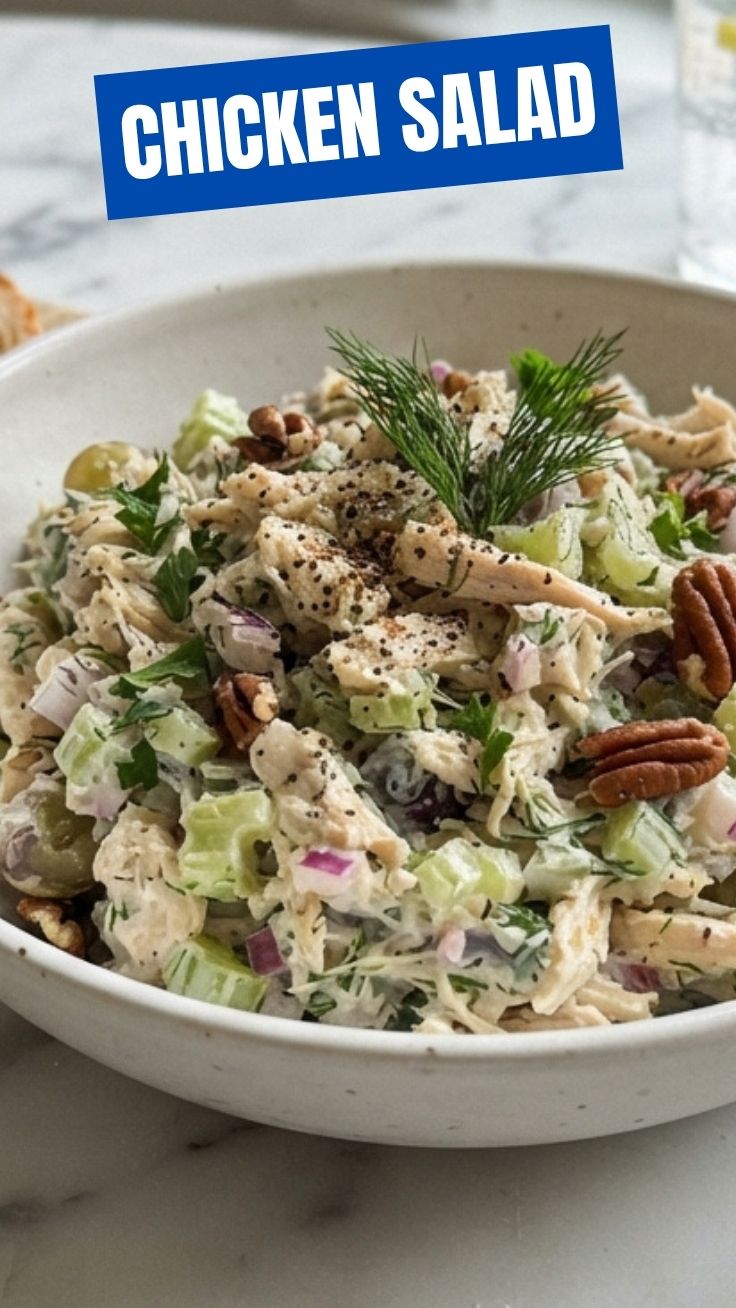
One of the greatest appeals of homemade chicken salad is its minimal hands-on time, especially if you have pre-cooked chicken ready.
- Prep time: 15-20 minutes (assuming cooked chicken is available).
- Resting time: 30 minutes to 1 hour (optional, but highly recommended for flavors to meld).
- Cooking time: 0 minutes (if using pre-cooked chicken). If cooking chicken from scratch, add 20-30 minutes for poaching or baking.
For best results, prepare the chicken salad a few hours in advance and allow it to chill in the refrigerator. This gives the flavors an opportunity to deepen and marry, resulting in a much more harmonious and delicious end product.
Step-by-Step Instructions
Follow these simple steps to create a mouthwatering Chicken Salad:
1. Prepare the Chicken: If not already cooked, poach or bake your chicken breasts until thoroughly cooked. Allow to cool completely, then shred or dice into bite-sized pieces. Uniform pieces ensure even distribution of flavor and texture.
2. Chop Vegetables: Finely dice the celery and mince the red onion. Chop the fresh parsley. The finer the dice, the better the integration of flavors.
3. Combine Wet Ingredients: In your large mixing bowl, whisk together the mayonnaise, Greek yogurt (if using), fresh lemon juice, and Dijon mustard. Season with a pinch of salt and black pepper. Taste and adjust the seasoning as needed – this is your base flavor.
4. Add Solids: Gently fold in the shredded or diced chicken, diced celery, minced red onion, and chopped parsley into the wet mixture.
5. Incorporate Optional Add-ins: If using pecans, cranberries, or dill, add them now and gently mix until everything is well combined. Be careful not to overmix, as this can make the chicken tough.
6. Chill and Serve: Cover the bowl and refrigerate for at least 30 minutes. This chilling period is crucial for the flavors to fully develop and for the Chicken Salad Recipe to reach its optimal consistency. Serve cold on bread, crackers, lettuce wraps, or enjoy on its own.
Nutritional Benefits & Advantages
This homemade Chicken Salad is more than just delicious; it’s packed with nutritional goodness. Chicken breast is a lean protein source, essential for muscle repair and satiety. Greek yogurt, if used, adds probiotics for gut health and extra protein with less fat than traditional mayo. Fresh vegetables like celery and red onion provide fiber, vitamins, and antioxidants. Lemon juice adds Vitamin C, and healthy fats from mayonnaise (especially if using an avocado oil-based one) contribute to nutrient absorption. It’s a balanced meal that can easily fit into a variety of dietary plans.
Tips, Variations & Cooking Advice
- Flavor Boost: For an extra layer of flavor, consider adding a pinch of curry powder or a dash of hot sauce.
- Creaminess Control: Adjust the amount of mayonnaise/yogurt to your preference. For a lighter salad, increase the yogurt and reduce the mayo.
- Herb Swaps: Experiment with other fresh herbs like chives, tarragon, or even mint for different aromatic profiles.
- Dietary Adaptations:
* Gluten-Free: Ensure your serving vehicle is gluten-free (e.g., lettuce wraps, gluten-free crackers). The salad itself is naturally gluten-free.
* Dairy-Free: Skip the Greek yogurt and use a dairy-free mayonnaise alternative.
* Low-Carb: Serve in lettuce cups, bell pepper halves, or on cucumber slices instead of bread.
- Chicken Alternatives: While chicken breast is classic, consider using rotisserie chicken for a quick shortcut, or even canned chicken in a pinch (drain and rinse thoroughly).
Common Mistakes to Avoid
- Overmixing: Over-agitating the chicken can make it tough and stringy. Mix gently until just combined.
- Warm Chicken: Ensure your cooked chicken is completely cooled before mixing. Warm chicken will melt the mayonnaise and lead to a greasy, unappetizing consistency.
- Lack of Seasoning: Don’t be afraid to season adequately. Taste as you go and adjust salt, pepper, and lemon juice until the flavors sing.
- Too Much Liquid: Be mindful of adding too much mayonnaise or yogurt initially. It’s easier to add more than to correct an overly wet salad.
Storage & Meal Prep Tips
Chicken salad is an excellent candidate for meal prepping!
- Refrigeration: Store leftover Chicken Salad in an airtight container in the refrigerator for up to 3-4 days.
- Freezing: Chicken salad with mayonnaise or yogurt does not freeze well, as the emulsion tends to separate upon thawing, resulting in a watery and unpleasant texture. It’s best consumed fresh from the fridge.
- Separate Components (Meal Prep): If you want to prep components for longer, cook and shred the chicken, chop the vegetables, and store them separately. Mix the dressing ingredients just before serving for ultimate freshness.
- Reheating: Do not reheat chicken salad. It is meant to be enjoyed cold.
Conclusion
Creating a delicious and satisfying Chicken Salad at home is a rewarding experience, offering endless customization and a fresh alternative to store-bought versions. By following this detailed guide, you’ve unlocked the secrets to a perfectly balanced, flavorful, and healthy dish. We encourage you to try this Chicken Salad Recipe, experiment with the variations, and make it your own culinary masterpiece. Share your results and tag us on social media – we’d love to see your creations!
FAQs
Q1: Can I use dark meat chicken for chicken salad?
A1: Absolutely! Dark meat (thighs) will result in a richer, moister, and more flavorful chicken salad, though it will be slightly higher in fat.
Q2: How can I make my chicken salad spicier?
A2: Add a pinch of cayenne pepper, a dash of your favorite hot sauce, or finely diced jalapeños (remove seeds for less heat) to the mixture.
Q3: What’s the best way to cook chicken for chicken salad?
A3: Poaching or baking chicken breasts yields the most tender and evenly cooked chicken. You can also use rotisserie chicken for convenience. Avoid frying, as it can introduce too much oil and alter the texture.
Q4: My chicken salad is too dry. What should I do?
A4: Gradually add more mayonnaise or Greek yogurt, one tablespoon at a time, until you reach your desired creamy consistency. A splash more lemon juice can also help moisten and brighten flavors.
Q5: Can I prepare the ingredients ahead of time and mix later?
A5: Yes, you can cook and shred the chicken and chop all your vegetables a day or two in advance. Store them separately in airtight containers in the refrigerator. Mix everything together just before you plan to serve for the freshest results.