The Ultimate Guide to Crafting the Perfect, Moist, and Flavorful Carrot Cake at Home
Ever wondered if you could bake a Carrot Cake that rivals your favorite bakery’s? The rich, moist crumb, the delicate spice, and that irresistible, tangy cream cheese frosting – it all seems like magic, right? Well, today, we’re demystifying that magic. Preparing a beloved Carrot Cake Recipe from scratch isn’t just about saving money; it’s about control over ingredients, the joy of creation, and the unparalleled satisfaction of sharing a homemade masterpiece. In this comprehensive guide, we’ll walk you through every step, ensuring your homemade version is nothing short of spectacular. Get ready to impress your taste buds and loved ones!
Ingredients & Kitchen Tools
Crafting the perfect carrot cake requires a thoughtful selection of fresh ingredients and the right culinary arsenal.
Key Ingredients:
- 2 cups all-purpose flour: The structural base of our cake. You can also use a gluten-free all-purpose blend for a dietary adaptation.
- 2 teaspoons baking soda: Our leavening agent, creating a light, airy texture.
- 1 teaspoon salt: Balances sweetness and enhances overall flavor.
- 2 teaspoons ground cinnamon: Essential warming spice for authentic carrot cake flavor.
- ½ teaspoon ground nutmeg: Complements cinnamon beautifully, adding depth.
- ¼ teaspoon ground cloves (optional): For an extra layer of aromatic complexity.
- 1 ½ cups granulated sugar: Provides sweetness and contributes to moisture.
- ½ cup packed light brown sugar: Adds a deeper, molasses-like flavor and extra moisture.
- 4 large eggs: Binds ingredients and adds richness.
- 1 cup vegetable oil (or other neutral oil like canola oil): Keeps the cake incredibly moist.
- 2 teaspoons vanilla extract: Enhances all the other flavors.
- 3 cups grated carrots (about 4-5 medium carrots): The star of the show, providing natural sweetness and moisture. Fine grating is key for even distribution.
- 1 cup chopped pecans or walnuts (optional): Adds a delightful crunch and nutty flavor.
- For the Cream Cheese Frosting:
* 1 (8-ounce) block cream cheese, softened: The tangy, creamy base of our frosting. Full-fat is recommended for best results.
* ½ cup unsalted butter, softened: Adds richness and helps create a stable frosting.
* 4-5 cups powdered sugar (confectioners’ sugar): Sweetens and thickens the frosting. Sift if lumpy.
* 1-2 tablespoons milk or heavy cream: For desired frosting consistency.
* 1 teaspoon vanilla extract: Enhances the frosting’s flavor.
Essential Kitchen Tools:
- 2 (9-inch) round cake pans: For baking even layers.
- Large mixing bowls: For dry and wet ingredients.
- Whisk: For combining dry ingredients.
- Electric mixer (stand or hand-held): Makes creaming and frosting much easier.
- Rubber spatula: For scraping down bowls and folding ingredients.
- Measuring cups and spoons: For precise ingredient amounts.
- Box grater or food processor: For grating carrots.
- Parchment paper: Lines cake pans for easy release.
- Wire rack: For cooling cakes thoroughly.
Prep Time & Cooking Schedule
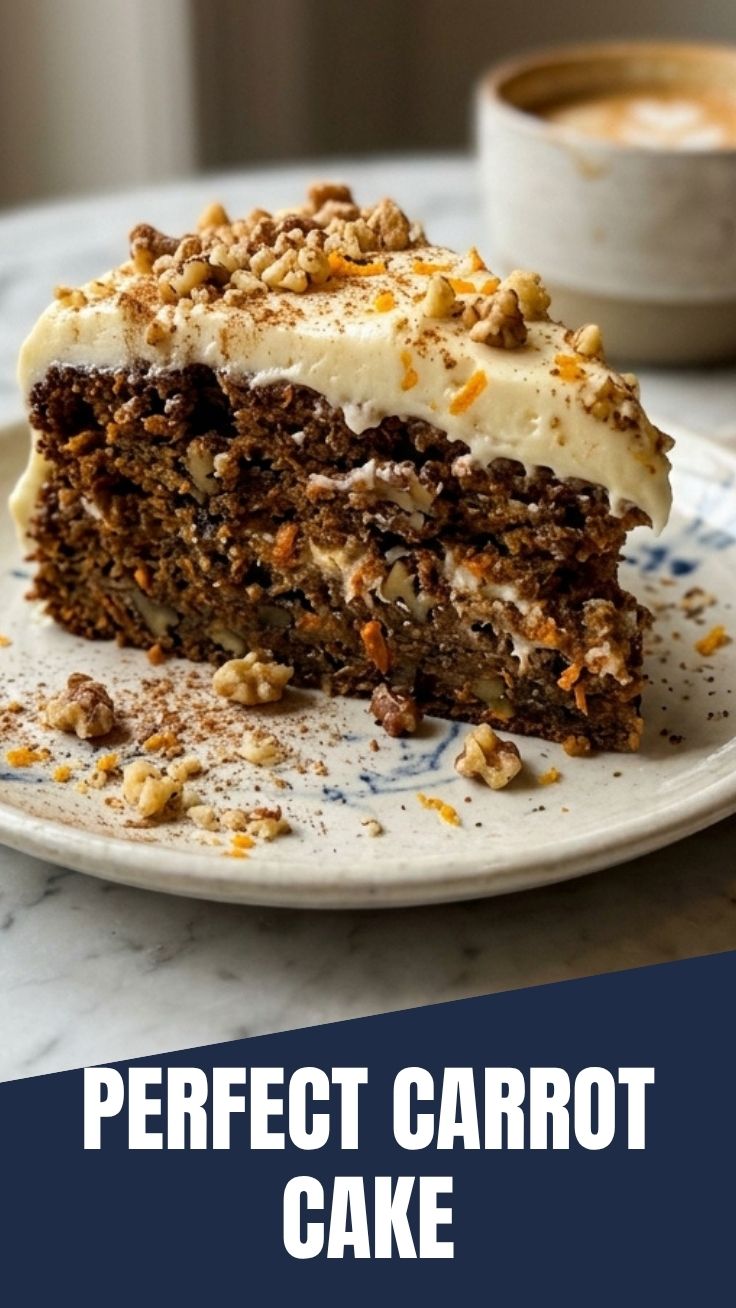
Planning is key for a seamless baking experience. This recipe is perfect for a weekend project or even splitting tasks over two days.
- Prep Time: 30-40 minutes (includes grating carrots and gathering ingredients).
- Cook Time: 30-35 minutes per cake layer.
- Cooling Time: 1-2 hours (crucial for frosting).
- Resting Time (optional): For best flavor development, let the frosted cake sit at room temperature for an hour before serving, or chill for easier slicing.
Pro-Tip: Grate your carrots the day before and store them in an airtight container in the fridge to save time on baking day!
Step-by-Step Instructions
Baking the perfect Carrot Cake is a rewarding process. Follow these steps carefully for a consistently delicious result.
1. Preheat & Prep: Preheat your oven to 350°F (175°C). Grease and flour two 9-inch round cake pans, then line the bottoms with parchment paper. This ensures easy release.
2. Combine Dry Ingredients: In a large bowl, whisk together the flour, baking soda, salt, cinnamon, nutmeg, and cloves (if using). Set aside.
3. Mix Wet Ingredients: In a separate, even larger bowl, whisk together the granulated sugar, brown sugar, eggs, vegetable oil, and vanilla extract until well combined and smooth.
4. Incorporate Dry into Wet: Gradually add the dry ingredient mixture to the wet mixture, mixing on low speed with an electric mixer or by hand with a spatula until just combined. Do not overmix; overmixing can develop gluten and lead to a tough cake.
5. Fold in Carrots & Nuts: Gently fold in the grated carrots and optional chopped nuts using a rubber spatula until evenly distributed. This is where the magic of a delectable Carrot Cake Recipe truly comes alive.
6. Bake: Divide the batter evenly between the prepared cake pans. Bake for 30-35 minutes, or until a wooden skewer inserted into the center comes out clean.
7. Cool: Let the cakes cool in the pans for 10-15 minutes before inverting them onto a wire rack to cool completely. This prevents them from sticking or collapsing. Ensure cakes are completely cool before frosting.
8. Prepare Frosting: In a large bowl, using an electric mixer, beat the softened cream cheese and butter until smooth and creamy (about 2-3 minutes). Gradually add the powdered sugar, one cup at a time, mixing until smooth after each addition. Add vanilla extract and 1 tablespoon of milk or cream. Beat until light and fluffy, adding a bit more milk or cream if needed to reach desired consistency.
9. Assemble & Frost: Once the cakes are completely cool, place one layer on your serving plate or cake stand. Spread a generous layer of cream cheese frosting evenly over the top. Carefully place the second cake layer on top and spread the remaining frosting over the top and sides of the cake. Garnish with chopped nuts or extra grated carrot, if desired.
Nutritional Benefits & Advantages
Beyond its undeniable deliciousness, carrot cake offers some surprising nutritional perks. Carrots are rich in beta-carotene, an antioxidant that converts to Vitamin A in the body, essential for vision, immune function, and skin health. While it’s a dessert, the inclusion of whole eggs provides protein and healthy fats, and the nuts contribute dietary fiber, protein, and beneficial unsaturated fats. With homemade versions, you control the amount of sugar and fat, allowing for potential adjustments to suit dietary needs.
Tips, Variations & Cooking Advice
- Spice It Up: Experiment with additional spices like cardamom or allspice for a unique flavor profile.
- Tropical Twist: Add ½ cup of crushed pineapple (well-drained) or shredded coconut to the batter for a tropical flair.
- Gluten-Free: Substitute the all-purpose flour with a 1:1 gluten-free baking blend.
- Dairy-Free Frosting: Use dairy-free cream cheese and butter alternatives. Ensure they are suitable for baking and frosting applications.
- Cupcakes: This recipe can easily be adapted for cupcakes. Bake for 18-22 minutes.
- Don’t Overmix: Overmixing develops gluten, leading to a tough cake. Mix until just combined.
- Soften Ingredients: Ensure butter and cream cheese are at room temperature for the frosting for a smooth, lump-free consistency.
Common Mistakes to Avoid
- Over-baking: Leads to a dry, crumbly cake. Always check with a skewer or toothpick.
- Under-baking: Results in a sunken, gooey center. If it’s not done, keep baking in 5-minute increments.
- Not cooling cakes completely: Frosting a warm cake will cause the frosting to melt and slide off, leading to a messy outcome. Patience is key!
- Using too much or too little frosting: Aim for good coverage, but don’t drown the cake.
- Unevenly grated carrots: Large chunks won’t soften as nicely as finely grated ones, potentially altering the cake’s texture.
Storage & Meal Prep Tips
- Refrigeration: Store frosted Carrot Cake in an airtight container in the refrigerator for up to 5 days due to the cream cheese frosting.
- Freezing (Frosted): Wrap individual slices or the entire cake (once fully chilled and firm) tightly in plastic wrap, then in foil. Freeze for up to 1-2 months. Thaw in the refrigerator overnight before serving.
- Freezing (Unfrosted Layers): Wrap cooled cake layers tightly in plastic wrap, then in foil. Freeze for up to 3 months. Thaw at room temperature for a few hours before frosting. This is a great meal prep strategy!
Conclusion
There you have it – a comprehensive guide to baking the perfect Carrot Cake. By following these detailed instructions and tips, you’re not just baking a dessert; you’re creating a memorable experience. This Carrot Cake Recipe is a timeless classic that brings joy with every bite. Don’t be afraid to experiment with variations, and most importantly, enjoy the process! We’d love to hear about your baking adventures in the comments below. Happy baking!
FAQs
Q1: Can I use pre-shredded carrots?
A: While convenient, pre-shredded carrots are often drier and thicker, which can affect the cake’s moisture and texture. Freshly grated carrots are highly recommended for the best results.
Q2: My cake is too dense. What went wrong?
A: Overmixing the batter is a common culprit for a dense cake. Mix only until the ingredients are just combined. Also, ensure your leavening agents (baking soda) are fresh.
Q3: How can I make my frosting less sweet?
A: You can reduce the amount of powdered sugar slightly, starting with 4 cups and adding more only if needed for consistency. A pinch of salt in the frosting can also help balance the sweetness.
Q4: Can I bake this in a bundt pan?
A: Yes, you can. Grease and flour a 10-12 cup bundt pan well. The baking time will be longer, likely 55-65 minutes. Always check for doneness with a skewer.
Q5: What’s the best way to store leftover frosted cake?
A: Always store frosted carrot cake in an airtight container in the refrigerator due to the cream cheese frosting. Allow it to come to room temperature for about 30 minutes before serving for the best flavor and texture.