Unlock Culinary Magic: Your Guide to a Perfect Roasted Chicken Dinner
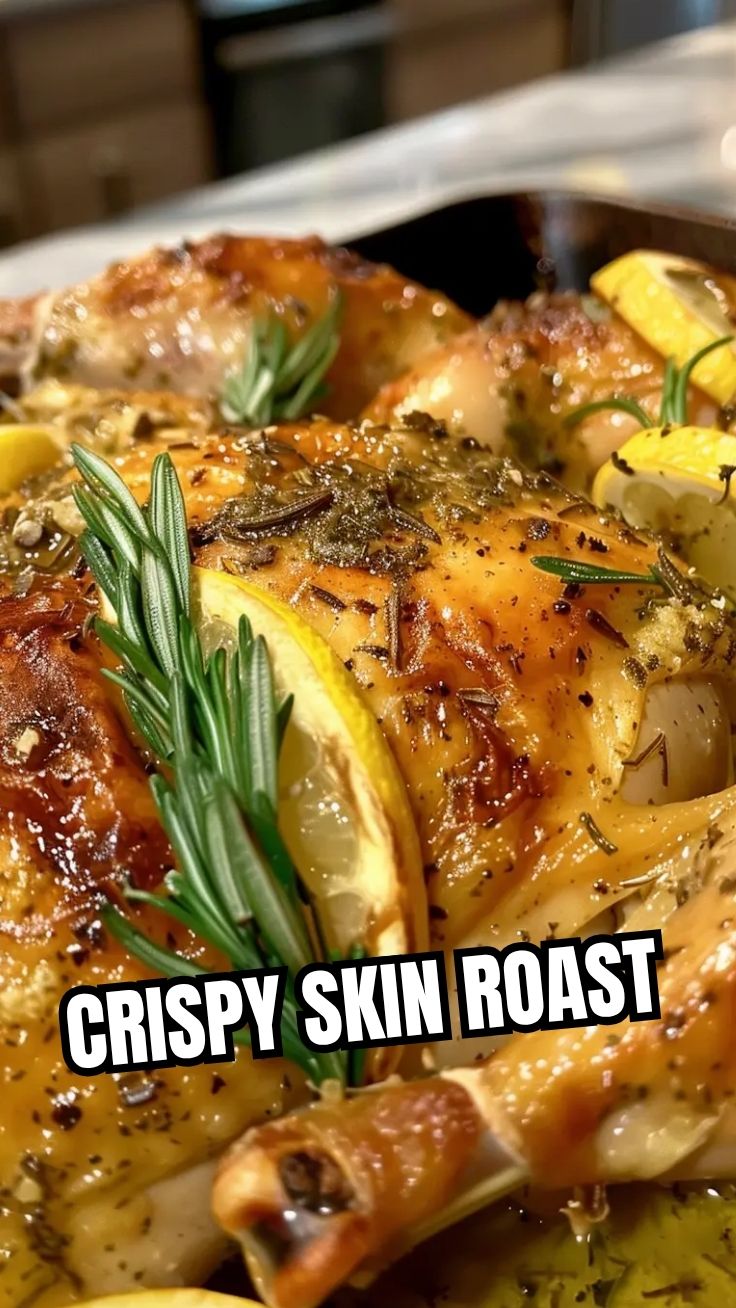
Ever wondered if you could create a show-stopping, restaurant-quality meal right in your own kitchen with minimal fuss? The answer is a resounding yes! Mastering the art of roasted chicken not only elevates your home cooking game but also offers a wholesome, flavorful, and incredibly versatile dish that can be enjoyed by everyone. Today, we’re diving deep into crafting an unforgettable Lemon Herb Roasted Chicken – a dish that promises juicy meat, crispy skin, and an aromatic experience that will have your family asking for seconds. You’ll soon discover the secrets to achieving that perfect balance of flavors and textures, making this a go-to recipe for weeknight dinners and special occasions alike. Get ready to transform simple ingredients into a culinary masterpiece, rivaling even the most delectable Glazed Herb Roasted Chicken you’ve ever tasted.
Ingredients & Kitchen Tools
Gather your culinary arsenal! Here’s everything you’ll need to bring this delightful roasted chicken to life:
- Whole Chicken (3-4 lbs): Opt for organic or free-range for best flavor. Ensure it’s fully thawed.
- Lemons (2-3): Essential for bright, zesty notes and tenderizing.
- Fresh Herbs (Rosemary, Thyme, Oregano): A generous handful of each for unparalleled aroma and taste. Dried can be substituted, use 1/3 the amount.
- Garlic (1 head): Crushed or minced for a deep, savory foundation.
- Olive Oil (¼ cup): Helps crisp the skin and distribute flavors.
- Salt & Freshly Ground Black Pepper (to taste): Fundamental seasonings; don’t skimp!
- Onion (1 large): Quartered, placed inside the cavity and around the roasting pan for extra flavor.
- Carrots & Celery (optional, 2-3 each): Chopped, can be roasted alongside for delicious veggies.
Kitchen Tools:
- Large Roasting Pan: With a rack preferred for even cooking and crispy skin.
- Meat Thermometer: Crucial for ensuring doneness and food safety.
- Sharp Knife & Cutting Board: For prepping ingredients.
- Twine (optional): For trussing the chicken, promoting even cooking.
- Basting Brush (optional): For applying pan juices during cooking.
Prep Time & Cooking Schedule
- Prep Time: 20 minutes
- Marinating Time (optional): 30 minutes to overnight (for deeper flavor penetration)
- Cook Time: 60-90 minutes (depending on chicken size)
- Resting Time: 10-15 minutes
Allow adequate time for your chicken to come to room temperature before roasting (about 30 minutes out of the fridge). This promotes more even cooking. Plan your meal components around the 90-minute cook time, giving yourself a relaxed pace to enjoy the process.
Step-by-Step Instructions
1. Preheat & Prep: Preheat your oven to 400°F (200°C). Remove the giblets from the chicken cavity and pat the chicken completely dry with paper towels – this is key for crispy skin!
2. Herb Butter & Seasoning: In a small bowl, combine softened butter with minced garlic, chopped fresh herbs, salt, and pepper. Gently separate the skin from the breast meat using your fingers, then spread half of the herb butter mixture directly onto the meat under the skin. Rub the remaining herb butter all over the exterior of the chicken.
3. Lemon & Aromatics: Cut one lemon in half and place it, along with a few sprigs of fresh herbs and a quartered onion, inside the chicken’s cavity. You can also add remaining garlic cloves.
4. Roast: Place the chicken on a rack in your roasting pan. If using, truss the legs with kitchen twine. Arrange any optional vegetables (carrots, celery, remaining lemon wedges) around the chicken in the pan.
5. Bake: Roast for 60-90 minutes, or until a meat thermometer inserted into the thickest part of the thigh (without touching bone) reads 165°F (74°C). For a beautiful golden crust, baste occasionally with pan juices during the last 30 minutes. This Lemon Herb Roasted Chicken benefits from careful monitoring during this stage.
6. Rest: Once cooked, remove the chicken from the oven, tent loosely with foil, and let it rest for 10-15 minutes before carving. This allows the juices to redistribute, ensuring a tender and moist final product, much like a perfectly prepared Glazed Herb Roasted Chicken.
Nutritional Benefits & Advantages
Roasted chicken is more than just delicious; it’s a nutritional powerhouse! Providing a lean source of protein, it supports muscle growth and repair. The skin, while often seen as indulgent, contains healthy fats. Lemons add Vitamin C, an antioxidant, while fresh herbs are packed with vitamins and anti-inflammatory compounds. It’s a naturally gluten-free and often dairy-free meal, making it suitable for many dietary needs.
Tips, Variations & Cooking Advice
- Spice it Up: Add a pinch of cayenne pepper or red pepper flakes to your herb mixture for a subtle kick.
- Different Veggies: Roast root vegetables like potatoes, parsnips, or sweet potatoes alongside the chicken.
- Citrus Swap: Try oranges or limes instead of lemons for a different flavor profile.
- Herb Combinations: Experiment with different fresh herb blends – sage, marjoram, or even tarragon.
- Spatchcocking: For faster, more even cooking, consider spatchcocking (butterflying) your chicken. This involves removing the backbone and flattening the bird.
- Brining: If you have extra time, a simple saltwater brine for a few hours or overnight can result in an incredibly juicy chicken.
Common Mistakes to Avoid
- Not Patting Dry: A moist skin prevents crisping. Always pat the chicken thoroughly dry.
- Overcrowding the Pan: If roasting vegetables, ensure there’s enough space so they roast, not steam.
- Under-Seasoning: Don’t be shy with salt and pepper! They enhance all the other flavors.
- Not Resting: Skipping the resting step leads to dry, less flavorful chicken as the juices escape upon carving.
- Opening the Oven Too Often: Each time you open the oven, the temperature drops, extending cooking time and potentially drying out the chicken.
Storage & Meal Prep Tips
Leftover roasted chicken is a meal prep dream!
- Refrigeration: Store carved chicken in an airtight container in the refrigerator for 3-4 days.
- Freezing: For longer storage, freeze carved chicken or whole pieces in freezer-safe bags or containers for up to 3 months. Thaw overnight in the refrigerator before reheating.
- Reheating: Reheat in the oven at 300°F (150°C) with a splash of broth or water to prevent drying, until warmed through. Microwave reheating is also an option for smaller portions but can alter texture.
- Creative Leftovers: Use the leftover meat in salads, sandwiches, tacos, soups, or even in a quick pasta dish. Don’t forget to make stock from the carcass!
Conclusion
Creating a delicious Lemon Herb Roasted Chicken at home is not just about following a recipe; it’s about embracing the joy of cooking and savoring the incredible results. This guide has equipped you with the knowledge and techniques to achieve perfectly juicy meat, crispy skin, and an aromatic flavor profile that will impress. You’ll master the art of this classic dish, making it a staple in your culinary repertoire. We encourage you to try this recipe, experiment with the variations, and share your triumphs in the comments below! And hey, for those who love a touch of sweetness, remember that the techniques you’ve learned here can easily be adapted as you venture into creating a wonderful Glazed Herb Roasted Chicken for another fantastic meal.
FAQs
Q1: How do I know if my chicken is fully cooked without a thermometer?
A1: While a thermometer is highly recommended, if you don’t have one, you can tell if the chicken is cooked by piercing the thickest part of the thigh with a knife. The juices should run clear, not pink.
Q2: Can I use dried herbs instead of fresh?
A2: Yes, you can. As a general rule, use one-third the amount of dried herbs compared to fresh, as their flavor is more concentrated.
Q3: My chicken skin isn’t getting crispy. What am I doing wrong?
A3: Ensure your chicken is thoroughly patted dry before seasoning and roasting. Also, make sure your oven temperature is accurate and avoid basting too frequently early in the cooking process, as this can add moisture.
Q4: What’s the best way to carve a roasted chicken?
A4: After resting, separate the legs and thighs from the body, then slice the breast meat off the bone. You can find many helpful video tutorials online for a visual guide.