Unlock the Perfect Baked Salmon: A Culinary Journey for Every Home Chef
Have you ever wondered how to consistently achieve perfectly flaky, moist salmon bursting with flavor, right in your own kitchen? Preparing exquisite seafood like Baked Salmon at home isn’t just about saving money; it’s about control over ingredients, personalized seasoning, and the immense satisfaction of creating a nutritious, restaurant-quality meal. This comprehensive guide will transform you into a salmon-baking virtuoso, demystifying the process and introducing you to the art of both simple baking and advanced techniques like preparing a delectable Cedar Plank Salmon. Get ready to elevate your weeknight dinners and impress your guests with minimal effort and maximum flavor.
Ingredients & Kitchen Tools
Crafting the perfect salmon dish starts with the right components. Here’s what you’ll need:
- Salmon Fillets (4x 6 oz portions): Opt for skin-on or skinless, wild-caught for superior flavor and texture, or sustainably farmed.
- Olive Oil (2 tbsp): Extra virgin for a fruity aroma, or a lighter option for a neutral base.
- Lemon (1 large): Freshly squeezed juice and thinly sliced rounds for brightness and garnish.
- Garlic (3 cloves): Minced or crushed for aromatic depth.
- Fresh Dill (2 tbsp): Chopped, for a classic, herbaceous pairing with salmon.
- Salt (1 tsp) & Black Pepper (½ tsp): Kosher or sea salt for even seasoning, freshly ground pepper for pungent kick.
- Optional – For Glaze: Maple syrup (2 tbsp) and Dijon mustard (1 tbsp) for a sweet and tangy finish, especially for Cedar Plank Salmon.
- Baking Sheet: Flat and rimmed, essential for even cooking and containing juices.
- Parchment Paper or Aluminum Foil: Prevents sticking and makes cleanup a breeze.
- Small Mixing Bowl: For combining seasonings and glaze.
- Basting Brush (optional): For applying glazes evenly.
- Meat Thermometer (optional but recommended): For precise doneness, ensuring perfectly cooked salmon every time.
- Cedar Plank (optional, for Cedar Plank Salmon): Pre-soaked in water for at least 30 minutes, imparts a smoky aroma.
Prep Time & Cooking Schedule
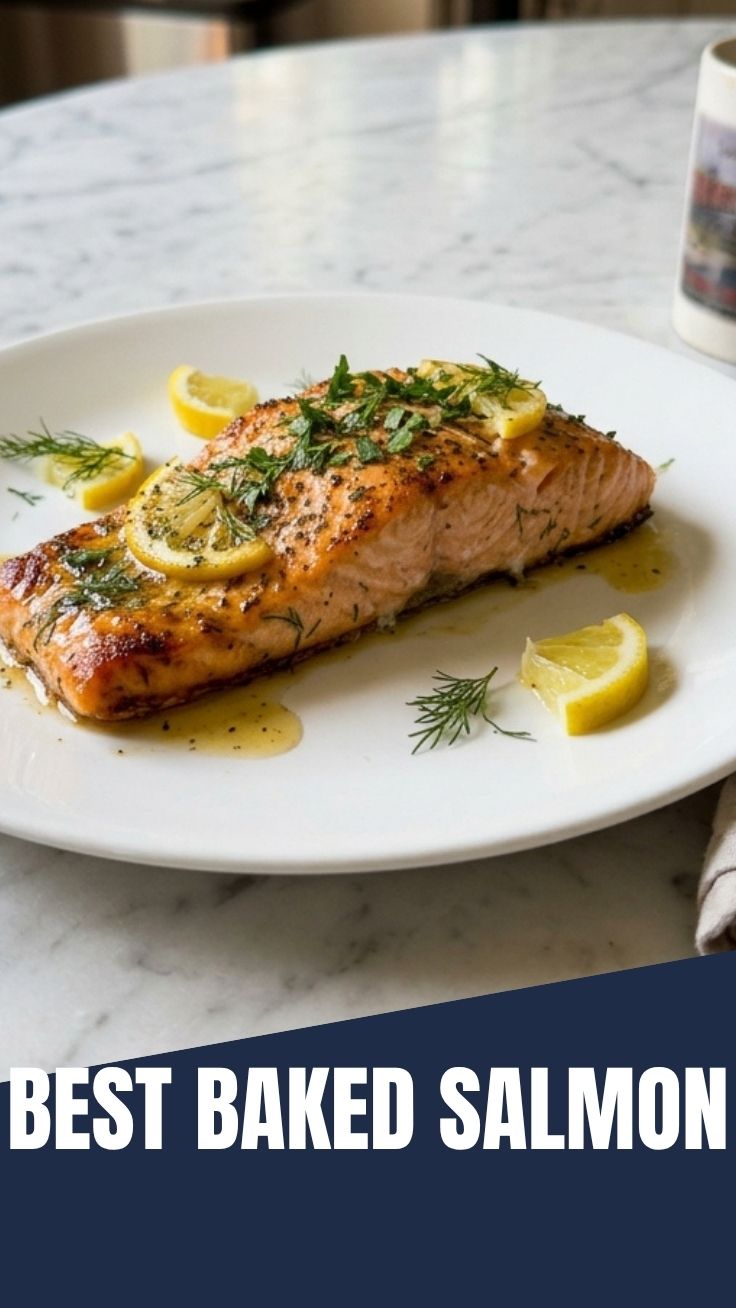
Achieving culinary excellence doesn’t require endless hours. This recipe is designed for maximum flavor with minimal fuss.
- Prep Time: 10-15 minutes (includes seasoning and optional plank soaking).
- Cook Time: 12-18 minutes (depending on thickness and desired doneness).
- Resting Time: 5 minutes (allows juices to redistribute for a moister fillet).
To plan your meal, begin soaking your cedar plank (if using) while you gather and prepare your other ingredients. This allows everything to come together seamlessly, ensuring a relaxed cooking process.
Step-by-Step Instructions
Follow these steps for a perfectly cooked Baked Salmon that will delight your palate.
1. Preheat & Prepare: Preheat your oven to 400°F (200°C). Line a baking sheet with parchment paper or foil. If making Cedar Plank Salmon, ensure your plank is adequately soaked.
2. Season the Salmon: Pat salmon fillets dry with paper towels. In a small bowl, whisk together olive oil, minced garlic, lemon juice, salt, and pepper. Brush this mixture generously over both sides of each salmon fillet. Sprinkle with fresh dill.
3. Arrange for Baking: Place the seasoned salmon fillets, skin-side down, on the prepared baking sheet. If using lemon slices, drape them over the salmon. For Cedar Plank Salmon, place the seasoned salmon directly onto the pre-soaked plank.
4. Bake to Perfection: Bake for 12-18 minutes, or until the salmon flakes easily with a fork and reaches an internal temperature of 145°F (63°C). Cooking times will vary based on thickness. If using a cedar plank, the plank may char, adding to the smoky flavor.
5. Optional Glaze (for Cedar Plank Salmon or regular Baked Salmon): During the last 5 minutes of baking, brush the salmon with a mixture of maple syrup and Dijon mustard for a delightful sweet and savory crust.
6. Rest & Serve: Remove the salmon from the oven and let it rest for 5 minutes before serving. This allows the juices to redistribute, resulting in a more tender and flavorful fillet.
Nutritional Benefits & Advantages
Salmon is a nutritional powerhouse, making both Baked Salmon and Cedar Plank Salmon excellent choices for a healthy diet. It’s an exceptional source of Omega-3 fatty acids, crucial for heart health, brain function, and reducing inflammation. Additionally, salmon provides high-quality protein essential for muscle repair and growth, as well as vital vitamins like B12, D, and various minerals including selenium and potassium. Its lean nature also makes it a fantastic option for those watching their calorie intake without sacrificing flavor or satiety.
Tips, Variations & Cooking Advice
- Flavor Variations: Experiment with different herbs like parsley or thyme. Try a spice rub with paprika, cumin, and chili powder for a bolder flavor.
- Ingredient Swaps: No fresh lemon? A splash of white wine or apple cider vinegar can add acidity. Dill can be substituted with chives or chervil.
- Alternative Cooking Methods: You can easily grill seasoned salmon for a smoky char. Pan-searing for a crispy skin is another delicious option.
- Dietary Adaptations: This recipe is naturally gluten-free and can be made dairy-free by ensuring any glazes or marinades do not contain dairy.
- Portion Control: Adjust cooking times for larger or smaller fillets.
Common Mistakes to Avoid
- Overcooking: This is the most common mistake. Overcooked salmon becomes dry and tough. Use a meat thermometer or watch for the flaking cue.
- Not Patting Dry: Excess moisture on the salmon surface prevents seasonings from adhering and can lead to steaming instead of baking.
- Under-seasoning: Salmon loves flavor! Don’t be shy with salt, pepper, and herbs.
- Ignoring Resting Time: Resting allows the internal temperature to equalize and juices to redistribute, resulting in a moister, more tender fish.
Storage & Meal Prep Tips
Leftover Baked Salmon can be a delicious addition to future meals. Store cooked salmon in an airtight container in the refrigerator for up to 3-4 days. It can also be frozen for up to 2-3 months. To reheat, gently warm in an oven at 275°F (135°C) until just heated through to prevent drying it out. Leftover salmon is excellent in salads, sandwiches, or flaked into pasta dishes.
Conclusion
Mastering the art of Baked Salmon is a rewarding culinary achievement that brings healthy, delicious meals to your table with ease. Whether you opt for the simple elegance of a perfectly baked fillet or explore the smoky nuances of Cedar Plank Salmon, this guide has provided you with the knowledge and confidence to succeed. Don’t hesitate to experiment with flavors and techniques – your kitchen is your canvas! We encourage you to try this recipe, share your creations, and continue exploring the vast world of home cooking.
FAQs
1. How do I know when my salmon is perfectly cooked without a thermometer?
* Salmon is done when it changes from translucent to opaque pink throughout and flakes easily with a fork. Aim for a slightly pink center if you prefer medium-rare.
2. Can I substitute frozen salmon for fresh?
* Absolutely! Thaw frozen salmon completely in the refrigerator overnight before patting it dry and preparing as instructed.
3. What vegetables pair well with baked salmon?
* Asparagus, green beans, broccoli, roasted potatoes, or a simple side salad are all fantastic choices that complement the rich flavor of salmon.
4. My salmon sticks to the pan. What can I do?
* Ensure your baking sheet is adequately lined with parchment paper or foil brushed with a little olive oil. Patting the salmon dry before seasoning also helps prevent sticking.
5. How can I add more spice to this recipe?
* Incorporate a pinch of red pepper flakes, a dash of cayenne pepper, or a small amount of finely chopped jalapeño into your seasoning mixture for a flavorful kick.