Unlock Unforgettable Flavor: Your Guide to Perfect Lemon Garlic Chicken
Ever wondered how some home cooks effortlessly create dishes that taste like they came straight from a gourmet restaurant? The secret often lies in mastering classic combinations and elevating them with simple, fresh ingredients. Today, we’re diving into one such culinary gem: the Lemon Garlic Chicken. This dish isn’t just a meal; it’s an experience, a symphony of zesty citrus and aromatic garlic that transforms humble chicken into something extraordinary. Preparing this dish at home offers unparalleled freshness, customizable flavors, and the undeniable satisfaction of creating something delicious from scratch. And for those who love bold, bright flavors, integrating a robust garlic herb chicken preparation into your weekly rotation is a game-changer. Let’s embark on a flavorful journey to create a dish that will become a staple in your kitchen.
Ingredients & Kitchen Tools
To make this delightful Lemon Garlic Chicken, gather the following:
- Chicken: 2-3 lbs boneless, skinless chicken thighs or breasts. Thighs stay moister, breasts cook faster.
- Lemons: 2 large, fresh. You’ll need both juice and zest for maximum flavor.
- Garlic: 6-8 cloves, minced. The more, the merrier for that signature kick.
- Olive Oil: 1/4 cup extra virgin. For marinading and searing.
- Fresh Herbs: 2 tablespoons, finely chopped (e.g., parsley, thyme, oregano, or rosemary). Elevates the aroma and taste.
- Chicken Broth or White Wine: 1/2 cup. Adds moisture and deglazes the pan.
- Salt & Black Pepper: To taste. Essential for seasoning.
- Optional Spices: 1/2 teaspoon paprika, 1/4 teaspoon red pepper flakes for a subtle heat.
- Kitchen Tools:
* Large Mixing Bowl: For marinating the chicken.
* Sharp Knife & Cutting Board: For prepping chicken, lemons, and garlic.
* Zester/Grater: For lemon zest.
* Large Skillet (oven-safe preferred): Cast iron or stainless steel works best for searing and finishing in the oven.
* Tongs: For handling chicken safely.
Prep Time & Cooking Schedule
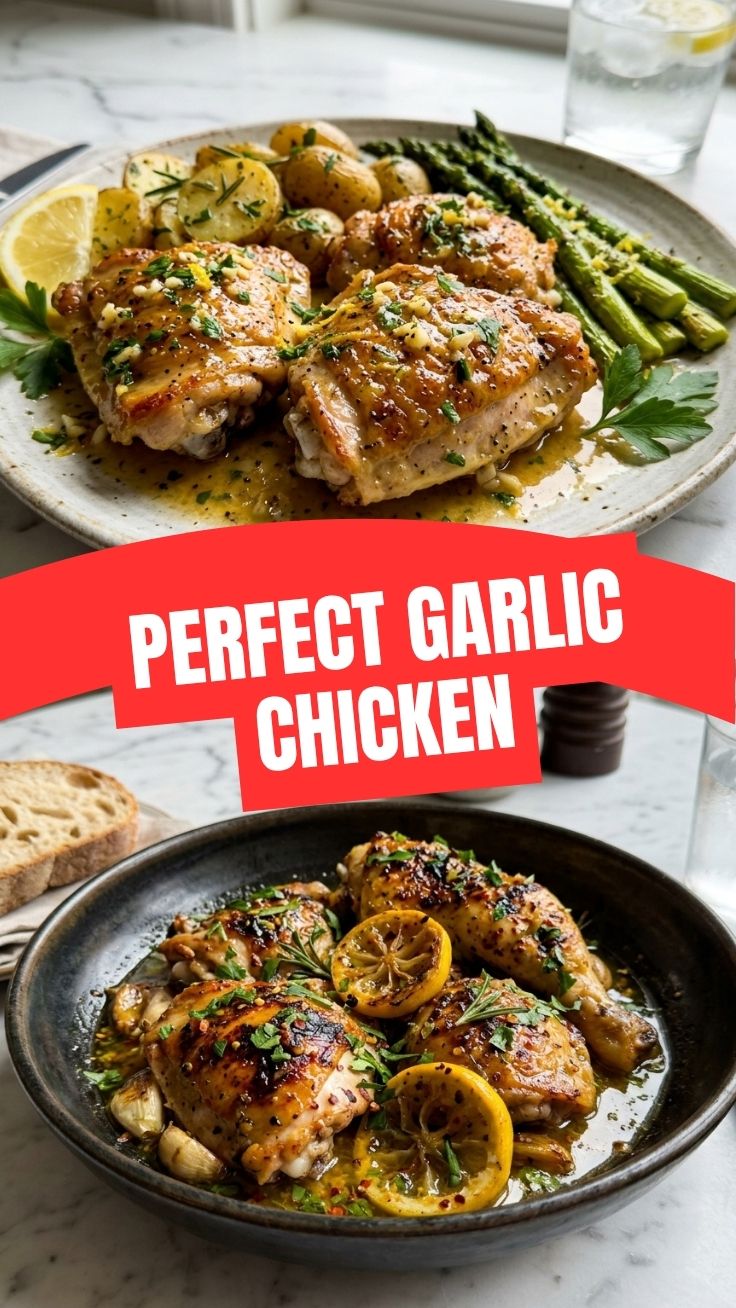
- Prep Time: 15 minutes (active working time)
- Marinating Time: Minimum 30 minutes, ideally 2-4 hours, or overnight for deeper flavor. This step significantly enhances the taste of your Lemon Garlic Chicken.
- Cook Time: 20-30 minutes (depending on chicken thickness)
- Resting Time: 5-10 minutes. Crucial for juicy, tender chicken. This allows the juices to redistribute internally.
Plan ahead by marinating your chicken in the morning or the evening before to maximize flavor and reduce your active cooking time on a busy weeknight.
Step-by-Step Instructions
1. Prepare the Marinade: In a large bowl, whisk together the olive oil, lemon juice, lemon zest, minced garlic, chopped fresh herbs, salt, pepper, and any optional spices. This aromatic base is key for both the Lemon Garlic Chicken and a flavorful garlic herb chicken.
2. Marinate the Chicken: Add the chicken pieces to the marinade, ensuring they are thoroughly coated. Cover the bowl and refrigerate for at least 30 minutes, or up to 24 hours. The longer it marinates, the more flavor it absorbs.
3. Preheat & Sear: Preheat an oven-safe skillet over medium-high heat with a tablespoon of olive oil. Remove chicken from the marinade (discarding excess marinade) and pat dry with paper towels to ensure a good sear. Sear the chicken for 3-5 minutes per side until golden brown and a beautiful crust forms. This step locks in flavor.
4. Deglaze & Simmer: Pour chicken broth (or white wine) into the skillet, gently scraping up any browned bits from the bottom of the pan. This creates a rich sauce. Bring to a gentle simmer.
5. Finish in the Oven (Optional but Recommended): If your chicken pieces are thicker (especially breasts), transfer the skillet to a preheated oven at 375°F (190°C) and bake for 10-15 minutes, or until the internal temperature reaches 165°F (74°C). This ensures even cooking without drying out the chicken.
6. Rest & Serve: Remove chicken from the oven (or stove), tent loosely with foil, and let it rest for 5-10 minutes. This resting period is vital for juicy chicken. Slice and serve with the pan juices.
Nutritional Benefits & Advantages
This Lemon Garlic Chicken recipe is not only delicious but also packed with nutritional benefits. Chicken is an excellent source of lean protein, essential for muscle repair and growth. Lemons provide a boost of Vitamin C, an antioxidant crucial for immune health. Garlic, a natural anti-inflammatory and antibiotic, offers numerous health advantages. The use of olive oil provides healthy monounsaturated fats. This dish is naturally gluten-free and can be easily adapted to be dairy-free, making it suitable for various dietary needs.
Tips, Variations & Cooking Advice
- Spice it up: Add a pinch of cayenne pepper or a dash of hot sauce to the marinade for a fiery kick.
- Veggie Boost: Roast some asparagus, broccoli, or cherry tomatoes alongside the chicken in the last 15 minutes of cooking for a complete meal.
- Creamy Sauce: Stir in a tablespoon of heavy cream or a non-dairy alternative to the pan sauce at the end for a richer, creamier consistency.
- Herb Variations: Experiment with different fresh herbs. Rosemary and thyme offer a more rustic flavor, while basil and oregano lean towards Mediterranean profiles for your garlic herb chicken.
- Grilling Option: Instead of pan-searing and baking, marinate the chicken as directed and then grill for 6-8 minutes per side, or until cooked through and nicely charred.
Common Mistakes to Avoid
- Overcrowding the Pan: This leads to steaming instead of searing, resulting in less flavorful and less attractive chicken. Cook in batches if necessary.
- Not Patting Chicken Dry: Excess moisture prevents a good sear and crispy skin (if using skin-on chicken). Always pat the chicken dry before adding it to the hot pan.
- Discarding Marinade: While you should discard the marinade that the raw chicken was in, don’t forget to use the remaining pan juices for a flavorful sauce!
- Skipping the Resting Step: If you cut into the chicken immediately, all the delicious juices will run out, leaving you with dry meat. Patience is a virtue here.
Storage & Meal Prep Tips
Leftover Lemon Garlic Chicken can be stored in an airtight container in the refrigerator for up to 3-4 days. This dish is excellent for meal prepping. You can cook a larger batch and portion it out for quick and healthy lunches or dinners throughout the week. Reheat gently in the microwave or on the stovetop with a splash of broth to prevent drying out. Freezing cooked chicken is also an option for longer storage (up to 2-3 months), though the texture might change slightly.
Conclusion
Mastering the perfect Lemon Garlic Chicken is a journey worth taking. With its vibrant flavors and tender texture, this dish is a testament to how simple ingredients can create extraordinary results. By following these detailed steps, you can confidently prepare a delicious and healthy meal that will delight your taste buds and impress your family and friends. Embrace the zest, savor the aroma, and enjoy the satisfaction of creating an incredible garlic herb chicken right in your own kitchen. Don’t hesitate to give this recipe a try and share your delicious results!
FAQs
Q1: Can I use frozen chicken?
A1: Yes, but make sure it’s fully thawed before marinating and cooking for even results.
Q2: What can I serve with this chicken?
A2: This dish pairs wonderfully with roasted vegetables, mashed potatoes, quinoa, rice pilaf, or a fresh green salad.
Q3: How can I adjust the garlic flavor?
A3: For a milder garlic taste, use fewer cloves or roast the garlic whole before mincing to mellow its intensity. For more punch, increase the amount!
Q4: Can I marinate the chicken for less than 30 minutes?
A4: While 30 minutes is the minimum for some flavor infusion, the longer you marinate, the deeper the flavors will penetrate the chicken. Aim for at least an hour if possible.
Q5: My chicken is dry, what went wrong?
A5: Overcooking is the most common cause of dry chicken. Use a meat thermometer to ensure it reaches 165°F (74°C) and no higher. Also, make sure to let the chicken rest after cooking.