Title: The Ultimate Homemade Tomato Soup: A Culinary Journey from Scratch
Introduction
Ever found yourself craving the comforting warmth of a truly exceptional bowl of Tomato Soup, a dish that transcends mere sustenance and becomes a hug in a bowl? While the convenience of Canned Tomato Soup is undeniable, there’s an unparalleled joy and depth of flavor that comes from crafting this beloved classic from scratch. Preparing homemade tomato soup isn’t just about making a meal; it’s an act of culinary mindfulness, allowing you to control every ingredient, elevate every aroma, and transform humble tomatoes into a velvety masterpiece. This guide will walk you through creating a luscious, vibrant Tomato Soup that will undoubtedly become a staple in your kitchen, proving that the best flavors always come from your own hands.
Ingredients & Kitchen Tools
To embark on this flavorful journey, gather the following essentials:
Fresh Ripe Tomatoes (2.5 lbs): Roma, beefsteak, or heirloom varieties work best for their concentrated flavor and lower water content. Clarification: The quality of your tomatoes directly impacts the soup’s taste.*
Onion (1 large): Yellow or white onion, finely chopped. Clarification: Adds a sweet, aromatic base.*
Garlic Cloves (4-5): Minced. Clarification: Essential for depth of flavor; adjust to your preference.*
Vegetable Broth (4 cups): Low sodium preferred. Clarification: Provides liquid and enhances savory notes.*
Heavy Cream (1/2 cup): Or half-and-half for a lighter touch. Clarification: Creates a rich, creamy texture; optional for a dairy-free version.*
Olive Oil (2 tbsp): Extra virgin is ideal. Clarification: For sautéing and adding a fruity undertone.*
Unsalted Butter (2 tbsp): Clarification: Adds richness and helps sauté aromatics.*
Fresh Basil Leaves (1/4 cup): Chopped, plus extra for garnish. Clarification: Offers a fresh, herbaceous counterpoint.*
Sugar (1 tsp): Granulated. Clarification: Balances the acidity of the tomatoes.*
Salt & Freshly Ground Black Pepper: To taste. Clarification: Seasoning essentials.*
- Optional Ingredient: Red Pepper Flakes (1/2 tsp): For a subtle kick.
- Optional Ingredient: Balsamic Glaze: For drizzling at the end.
Kitchen Tools:
- Large Pot or Dutch Oven: For cooking the soup.
- Cutting Board & Chef’s Knife: For all your chopping needs.
Immersion Blender: Or a regular blender (be cautious with hot liquids). Clarification: For achieving a smooth, creamy consistency.*
- Spatula or Wooden Spoon: For stirring.
- Measuring Cups & Spoons: For accurate ingredient measurement.
Prep Time & Cooking Schedule
- Prep Time: 20-25 minutes
- Cook Time: 35-40 minutes
- Resting Time: 5 minutes (after blending, before serving)
Our delicious homemade Tomato Soup requires a modest amount of active time, making it perfect for a weeknight meal or a leisurely weekend cooking project. The majority of the cooking is simmering, allowing the flavors to meld beautifully. You can easily start prepping the ingredients while the pot heats up, optimizing your kitchen time.
Step-by-Step Instructions
1. Prepare the Tomatoes: Wash and core the tomatoes, then roughly chop them. You don’t need to be precise, as they will be blended later.
2. Sauté Aromatics: In a large pot or Dutch oven, heat the olive oil and butter over medium heat. Add the chopped onion and cook until softened and translucent, about 5-7 minutes. Add the minced garlic and red pepper flakes (if using) and cook for another minute until fragrant, being careful not to burn the garlic.
3. Simmer the Soup Base: Add the chopped tomatoes to the pot, along with the vegetable broth, sugar, salt, and pepper. Bring the mixture to a gentle boil, then reduce heat to low, cover, and simmer for 20-25 minutes, or until the tomatoes are very soft and starting to break down. This step is crucial for developing the rich base of your Tomato Soup, far surpassing the complexity of even the best Canned Tomato Soup.
4. Blend to Perfection: Remove the pot from the heat. Using an immersion blender, carefully blend the soup directly in the pot until smooth. If using a regular blender, work in batches, ensuring the lid is vented and covered with a towel to prevent steam buildup. Blend until silky smooth.
5. Finish with Cream and Basil: Return the pot to low heat. Stir in the heavy cream and chopped fresh basil. Heat gently for 2-3 minutes, but do not boil. Taste and adjust seasoning as needed.
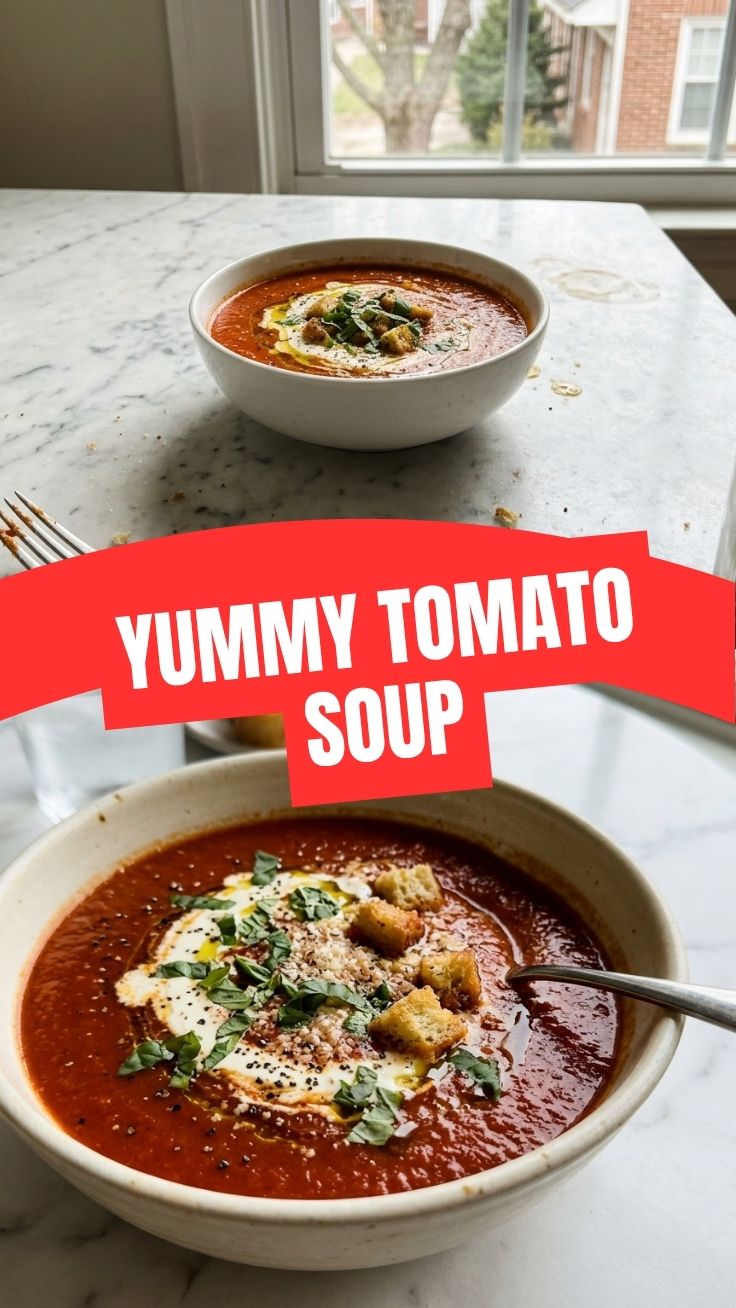
6. Serve: Ladle the warm Tomato Soup into bowls. Garnish with extra fresh basil leaves, a drizzle of balsamic glaze, or a swirl of cream.
Nutritional Benefits & Advantages
Homemade Tomato Soup is a nutritional powerhouse. Tomatoes are rich in lycopene, a powerful antioxidant linked to reduced risk of certain cancers and improved heart health. They are also an excellent source of Vitamin C, potassium, and Vitamin K. By making it at home, you avoid the high sodium content, artificial preservatives, and added sugars often found in Canned Tomato Soup, ensuring a purer, healthier, and more wholesome meal. The fresh basil not only adds a wonderful aroma but also contributes antioxidants and anti-inflammatory compounds.
Tips, Variations & Cooking Advice
- Roast Your Tomatoes: For an even deeper, more complex flavor, halve your tomatoes, toss with olive oil, salt, and pepper, and roast at 400°F (200°C) for 25-30 minutes before adding them to the pot.
- Dairy-Free Option: Omit the butter and heavy cream. Instead, use a plant-based milk (like cashew or almond milk) or coconut cream for richness, or simply blend with vegetable broth for a lighter, vibrant soup. Nutritional yeast can add a “cheesy” depth.
- Add Vegetables: Sneak in other vegetables like carrots, celery, or bell peppers when sautéing the onions for added nutrients and flavor complexity.
- Spice It Up: A pinch of cayenne pepper or a dash of hot sauce can add a pleasant warmth.
- Herb Variations: Experiment with other herbs like oregano, thyme, or a bay leaf during simmering.
Common Mistakes to Avoid
- Not Sautéing Aromatics Enough: Rushing the onion and garlic step will result in a less flavorful soup. Allow them time to soften and become fragrant.
- Burning the Garlic: Garlic burns quickly and can turn bitter. Keep an eye on it and lower the heat if necessary.
- Skipping the Sugar: Tomatoes can be quite acidic. A small amount of sugar helps to balance the flavors, even if you prefer a savory soup.
- Not Blending Thoroughly: For a truly smooth soup, ensure you blend until no lumps remain. A high-powered blender is ideal.
- Boiling After Adding Cream: High heat can cause cream to curdle. Always add cream at the end and heat gently.
Storage & Meal Prep Tips
Homemade Tomato Soup is excellent for meal prepping.
- Refrigeration: Store cooled soup in an airtight container in the refrigerator for up to 3-4 days.
- Freezing: This soup freezes beautifully! Allow it to cool completely, then transfer to freezer-safe containers or bags, leaving some headspace for expansion. It can be frozen for up to 3 months. Thaw overnight in the refrigerator before reheating.
- Reheating: Gently reheat on the stovetop over medium-low heat, stirring occasionally. If frozen, you might need to add a splash of vegetable broth or water to adjust consistency. Avoid high heat to maintain its smooth texture.
Conclusion
Crafting your own bowl of Tomato Soup is a profoundly rewarding experience, yielding a dish that is infinitely superior to any store-bought alternative. From the initial sauté of aromatics to the final swirl of cream and fresh basil, every step contributes to a symphony of flavors that will delight your palate. While Canned Tomato Soup offers convenience, nothing compares to the fresh, vibrant taste and nutritional benefits of a homemade version. We encourage you to try this recipe and discover the magic of transforming simple ingredients into an extraordinary meal. Share your culinary creations with us and let us know how your homemade Tomato Soup turned out!
FAQs
Q1: Can I use fire-roasted tomatoes for this recipe?
A1: Absolutely! Using fire-roasted tomatoes (canned or fresh roasted) will impart a deeper, smoky flavor profile to your soup, adding another layer of complexity.
Q2: What’s the best way to make this soup thicker?
A2: If you prefer a thicker soup, reduce the amount of vegetable broth slightly or simmer for a longer period with the lid off to allow more liquid to evaporate. A small amount of cornstarch slurry (mixed with cold water) can also be added at the end, but blend well to avoid lumps.
Q3: Can I skip the cream for a healthier option?
A3: Yes, you can omit the cream entirely or substitute it with a plant-based milk or even a tablespoon of nutritional yeast for an umami boost without the dairy. The soup will still be delicious and flavorful.
Q4: My soup tastes too acidic. What can I do?
A4: Ensure you added the tablespoon of sugar to balance the acidity. If it’s still too tart after simmering, you can add another half teaspoon of sugar or a pinch of baking soda (a very tiny amount, as too much can affect flavor) to neutralize the acid.
Q5: What are some good accompaniments for this soup?
A5: A classic grilled cheese sandwich is, of course, the perfect pairing! Other excellent options include crusty bread for dipping, a fresh green salad, or even a simple side of croutons.