Mastering the Juiciest Turkey Breast: Your Ultimate Guide
Ever wondered how to achieve that perfectly succulent, flavorful Turkey Breast without the fuss of a whole bird? The answer lies in mastering the art of a perfectly roasted turkey breast, a culinary endeavor that promises not just a delicious meal but also a streamlined cooking experience. Preparing a tender and juicy Turkey Breast at home offers unparalleled control over ingredients, allowing you to tailor flavors and ensure the highest quality. This guide will walk you through every step, ensuring your roasted turkey breast is a showstopper.
Ingredients & Kitchen Tools
- 2-3 lb boneless, skin-on Turkey Breast: Opt for skin-on for extra flavor and a crispy exterior. Boneless simplifies carving.
- 2 tbsp Olive Oil: For rubbing the turkey, helping seasonings adhere and promoting crispy skin.
- 1 tbsp Fresh Rosemary (chopped): Adds an aromatic, earthy depth. Fresh herbs are always best!
- 1 tsp Fresh Thyme (chopped): Complements rosemary with its subtle, savory notes.
- 1 tsp Garlic Powder: Provides a balanced garlic flavor without the risk of fresh garlic burning.
- 1/2 tsp Smoked Paprika: Lends a beautiful color and a smoky undertone.
- 1/2 tsp Black Pepper: Freshly ground is always preferred for maximum flavor.
- 1 tsp Salt (or to taste): Essential for seasoning and enhancing all the other flavors.
- 1/2 cup Chicken Broth (low sodium): Keeps the turkey moist and creates a flavorful pan sauce.
- Roasting Pan with Rack: Essential for even cooking and allowing air circulation around the turkey.
- Meat Thermometer: The absolute best tool for ensuring your turkey is cooked to perfection without overcooking.
- Foil: For tenting during resting, allowing juices to redistribute.
- Sharp Carving Knife: For clean, precise slices.
Prep Time & Cooking Schedule
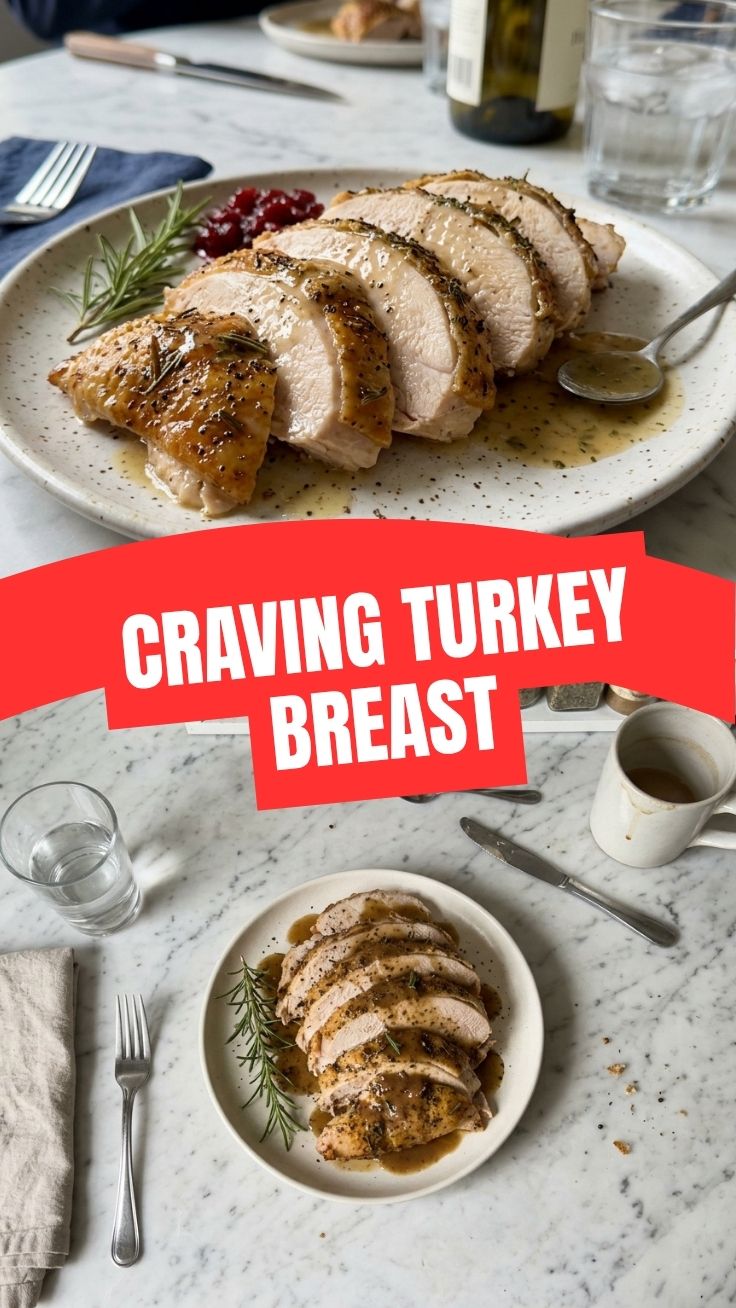
- Prep Time: 15 minutes. This includes seasoning and getting your roasting pan ready.
- Cook Time: 60-90 minutes, depending on the size of your Turkey Breast and your oven. A meat thermometer is your best friend here!
- Resting Time: 15-20 minutes. Crucial for juiciness and flavor distribution. Allow this time in your planning; it’s a non-negotiable step for a perfect roast.
- Marinating Time (Optional): For enhanced flavor, you can dry brine (salt only) the turkey breast in the refrigerator for 12-24 hours.
Step-by-Step Instructions
1. Preheat & Prepare: Preheat your oven to 375°F (190°C). Pat the Turkey Breast dry thoroughly with paper towels. This is key for crispy skin!
2. Seasoning: In a small bowl, combine olive oil, rosemary, thyme, garlic powder, smoked paprika, black pepper, and salt. Rub this mixture evenly all over the turkey breast, ensuring it’s well coated, including under the skin if possible. This careful seasoning is the foundation for creating delicious Turkey Breast Recipes.
3. Roast: Place the seasoned turkey breast on the rack in your roasting pan. Pour the chicken broth into the bottom of the pan (not over the turkey).
4. Bake: Roast for 60-90 minutes, or until an internal temperature of 165°F (74°C) is reached in the thickest part of the breast. Start checking with your meat thermometer around the 50-minute mark. If the skin is browning too quickly, tent loosely with foil.
5. Rest: Once cooked, remove the turkey from the oven, transfer it to a cutting board, and tent it loosely with foil. Let it rest for 15-20 minutes. This resting period allows the juices to redistribute, ensuring a tender and moist final product.
6. Carve & Serve: Slice against the grain and serve immediately.
Nutritional Benefits & Advantages
Turkey breast is a lean protein powerhouse, offering significant amounts of essential amino acids critical for muscle repair and growth. It’s an excellent source of B vitamins (especially B3, B6, and B12), which play vital roles in energy metabolism and nervous system function. Furthermore, it provides minerals like selenium (an antioxidant) and phosphorus (important for bone health). Opting for turkey breast also means less saturated fat compared to darker meats, making it a heart-healthy choice.
Tips, Variations & Cooking Advice
- Herb Variations: Experiment with sage, marjoram, or even a citrus zest (lemon or orange) in your herb rub for different flavor profiles.
- Brining: For an exceptionally juicy turkey, consider a wet brine. Dissolve 1/4 cup salt in 4 cups water with any aromatics you like (peppercorns, bay leaves) and immerse the turkey breast for 4-8 hours before roasting.
- Glaze It: Towards the end of cooking, brush with a glaze made from maple syrup, Dijon mustard, and a touch of apple cider vinegar for a sweet and tangy finish.
- Air Fryer Method: For smaller turkey breasts, an air fryer can yield incredibly crispy skin and a juicy interior. Cook at 350°F (175°C) for 30-40 minutes, flipping halfway.
Common Mistakes to Avoid
- Overcooking: The biggest culprit for dry turkey. Always use a meat thermometer and aim for 165°F (74°C). Remember, the temperature will rise slightly during resting.
- Not Resting: Skipping this step results in juices flowing out when you carve, leaving you with dry meat. Patience is a virtue here!
- Not Patting Dry: Moisture on the skin prevents crisping. Patting dry is essential for that coveted golden-brown, crunchy exterior.
- Uneven Seasoning: Ensure your seasoning rub is evenly distributed for maximum flavor in every bite.
Storage & Meal Prep Tips
Leftover turkey breast is incredibly versatile. Store cooked and cooled turkey breast in an airtight container in the refrigerator for up to 3-4 days. For longer storage, freeze slices or shredded turkey in freezer-safe bags or containers for up to 3 months. Thaw frozen turkey in the refrigerator overnight. Reheat gently in the microwave with a splash of broth, or thinly sliced and added to soups, sandwiches, or salads to prevent it from drying out.
Conclusion
Mastering the art of a perfectly roasted Turkey Breast is not just about following a recipe; it’s about understanding the nuances of temperature control, seasoning, and resting. With these detailed instructions and practical tips, you’re well on your way to creating a culinary masterpiece that’s both flavorful and incredibly tender. Dive into experimenting with different Turkey Breast Recipes, and discover how versatile this lean protein can be beyond the traditional holiday meal. We encourage you to try this recipe and share your delicious results!
FAQs
Q1: How do I get extra crispy skin?
A1: Ensure your turkey breast is thoroughly patted dry before seasoning. You can also lightly brush it with oil and increase the oven temperature to 400°F (200°C) for the last 10-15 minutes of cooking, keeping a close eye on it.
Q2: Can I use a bone-in turkey breast?
A2: Absolutely! A bone-in turkey breast will take slightly longer to cook but often results in more flavorful and moist meat as the bone helps insulate and retain moisture. Adjust cooking time accordingly until it reaches 165°F (74°C).
Q3: What if I don’t have a roasting rack?
A3: If you don’t have a rack, you can create a makeshift one by placing thick slices of onion, carrots, or celery on the bottom of the roasting pan to elevate the turkey breast slightly. This allows for better air circulation.
Q4: Can I marinate the turkey breast?
A4: Yes, marinating adds significant flavor and moisture. A simple marinade of olive oil, lemon juice, herbs, and garlic for at least 4 hours (or overnight) can elevate the dish.
Q5: How can I make a gravy from the pan drippings?
A5: After removing the turkey, place the roasting pan on the stovetop over medium heat. Whisk in 1-2 tablespoons of flour to create a roux, then gradually whisk in 1-2 cups of chicken broth, simmering until thickened. Season to taste.