Craving a Taste of the Mediterranean? Discover the Ultimate Homemade Greek Salad Experience!
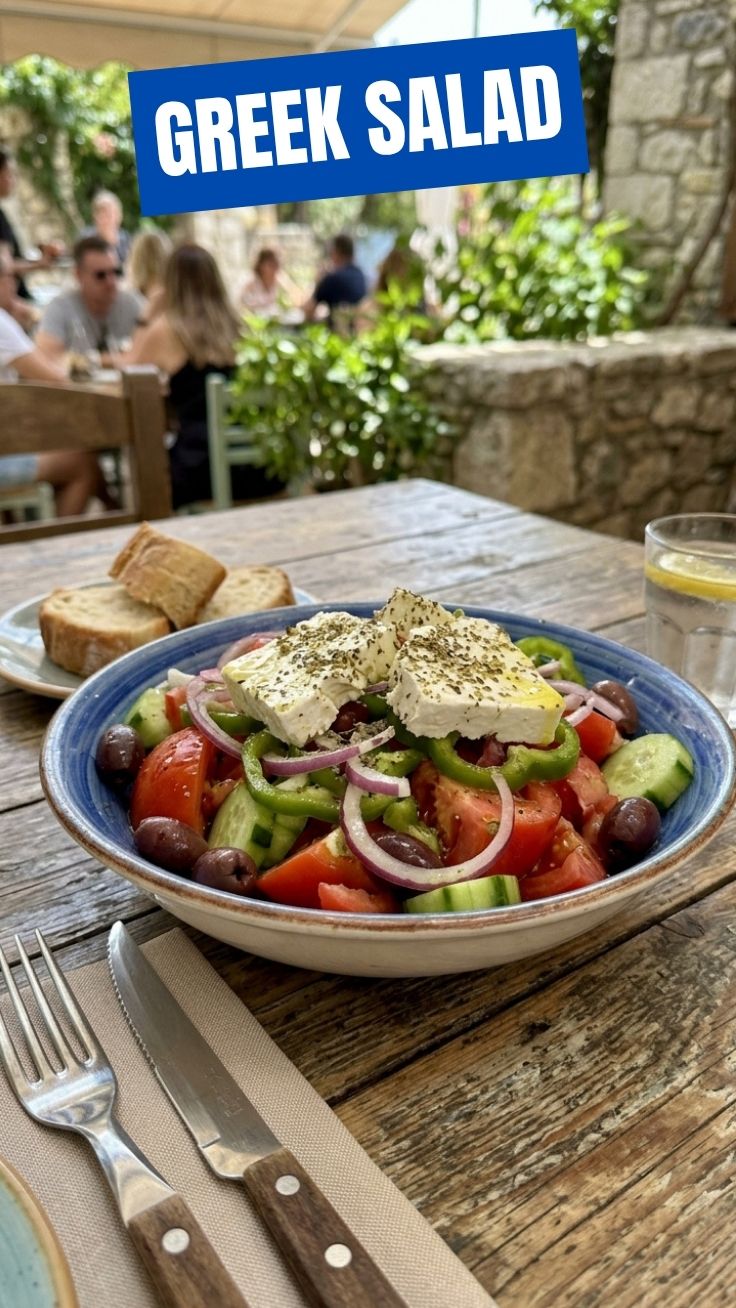
Do you dream of sun-drenched islands, fresh ingredients, and vibrant flavors? Then get ready to bring the essence of Greece right into your kitchen! Crafting a `Greek Salad` at home isn’t just about mixing vegetables; it’s about a culinary journey, a vibrant symphony of tastes and textures that revitalizes your palate. Learning a `Greek Salad Recipe` allows you to control the quality of every ingredient, ensuring a truly authentic and incredibly satisfying experience. Forget bland, pre-made versions – this guide will empower you to create a masterpiece that bursts with freshness and healthy goodness.
Ingredients & Kitchen Tools
- Fresh Cucumbers (2 medium): Ideally English or Persian cucumbers for their crisp texture and fewer seeds. Peel or leave skin on, based on preference.
- Ripe Tomatoes (3-4 medium): Roma or cherry tomatoes work wonderfully. Choose firm, bright red tomatoes for the best flavor.
- Red Onion (1/2 small): Adds a pungent, slightly sweet crunch. Slice thinly.
- Kalamata Olives (1/2 cup): Pitted and whole, for their distinct briny, fruity flavor.
- Feta Cheese (4 oz block): Authentic Greek feta, preferably from sheep or goat’s milk, for its tangy and crumbly texture. Avoid pre-crumbled feta if possible.
- Green Bell Pepper (1 medium): Adds a refreshing, slightly sweet crispness. Slice thinly.
- Extra Virgin Olive Oil (1/4 cup): A high-quality, fruity olive oil is essential for the dressing.
- Red Wine Vinegar (2 tablespoons): Provides the necessary tang and acidity.
- Dried Oregano (1 teaspoon): Greek oregano is ideal for its potent, earthy flavor.
- Salt & Freshly Ground Black Pepper (to taste): Season generously.
- Large Mixing Bowl: For combining all the ingredients.
- Sharp Knife & Cutting Board: For precise dicing and slicing.
- Measuring Cups & Spoons: For accurate ingredient quantities.
- Optional Substitutions: Add capers for extra briny notes, or use a mix of colorful bell peppers for visual appeal. For a plant-based option, substitute feta with a dairy-free feta alternative or skip it entirely.
Prep Time & Cooking Schedule
- Prep Time: 15-20 minutes
- Cook Time: 0 minutes
- Resting Time: 10-15 minutes (optional, but recommended for flavors to meld)
This is a remarkably quick and easy recipe, perfect for a last-minute lunch or a vibrant side dish. The optional resting time allows the flavors of the vegetables and dressing to truly meld, enhancing the overall taste experience. You can prepare the ingredients ahead of time and assemble close to serving for maximum freshness.
Step-by-Step Instructions
1. Prepare the Vegetables: Wash and thoroughly dry all your produce. Dice the cucumbers into bite-sized pieces. Dice the tomatoes into similar chunks. Thinly slice the red onion and green bell pepper. If using whole Kalamata olives, ensure they are pitted.
2. Combine Ingredients: In a large mixing bowl, gently combine the diced cucumbers, tomatoes, red onion, green bell pepper, and Kalamata olives.
3. Crumble the Feta: If using a block of feta, crumble it directly over the vegetables. Avoid pre-crumbled feta, as it often contains anti-caking agents that can alter the texture.
4. Craft the Dressing: In a separate small bowl or jar, whisk together the extra virgin olive oil, red wine vinegar, dried oregano, salt, and freshly ground black pepper until well combined. Taste and adjust seasoning as needed. The key is a perfect balance of acidity and richness.
5. Dress and Serve: Pour the prepared dressing over the vegetable and feta mixture. Toss gently to ensure all ingredients are evenly coated. For the best flavor, allow the `Greek Salad` to rest for 10-15 minutes at room temperature before serving. This allows the dressing to permeate the vegetables, intensifying the flavors. This simple `Greek Salad Recipe` is now ready to impress!
Nutritional Benefits & Advantages
This vibrant salad is a powerhouse of nutrition. Cucumbers and tomatoes are rich in vitamins K and C, and essential antioxidants. Red onions contain quercetin, known for its anti-inflammatory properties, while bell peppers are packed with vitamin C. Kalamata olives contribute healthy monounsaturated fats and antioxidants. Feta cheese provides a good source of calcium and protein. The extra virgin olive oil, a cornerstone of the Mediterranean diet, is celebrated for its heart-healthy monounsaturated fats and anti-inflammatory compounds. This salad is also naturally gluten-free and can easily be made dairy-free, making it suitable for various dietary needs.
Tips, Variations & Cooking Advice
- Flavor Boost: For an extra layer of flavor, add a pinch of fresh mint or parsley to the salad.
- Protein Power-Up: Transform this side dish into a complete meal by adding grilled chicken, shrimp, or chickpeas.
- Spice it Up: A tiny pinch of red pepper flakes can add a subtle kick.
- Personalized Dressing: Experiment with different vinegars like white wine vinegar (for a milder taste) or a squeeze of fresh lemon juice for added brightness.
- Cutting Techniques: For aesthetic appeal, consider segmenting the tomatoes or using a mandoline for ultra-thin onion slices.
- Make-Ahead Option: Chop and store vegetables separately in airtight containers in the refrigerator for up to 2-3 days. Prepare the dressing separately and combine just before serving.
Common Mistakes to Avoid
- Over-dressing: Start with less dressing and add more if needed. Too much dressing can make the salad soggy.
- Using wilted vegetables: Fresh, crisp vegetables are paramount for a great Greek salad.
- Poor quality ingredients: The simple nature of Greek salad means the quality of each ingredient truly shines through. Invest in good olive oil, fresh vegetables, and authentic feta.
- Skipping the rest time: While not strictly necessary, allowing the flavors to meld for a short period significantly enhances the taste.
- Pre-salting vegetables: This can draw out moisture, making them watery. Salt the dressing or season just before serving.
Storage & Meal Prep Tips
Leftover `Greek Salad` stores best in an airtight container in the refrigerator for up to 2 days. For optimal freshness and to prevent sogginess, it’s best to dress the salad just before serving. If you plan to make it ahead, store the chopped vegetables and dressing separately and combine when ready to eat. While freezing is generally not recommended due to the high water content of the vegetables, pre-chopped ingredients can certainly streamline your meal prep for future salads.
Conclusion
Embrace the simplicity and unparalleled freshness of this homemade `Greek Salad`. With its vibrant colors and harmonious blend of flavors, it’s more than just a dish; it’s a celebration of wholesome ingredients and the joys of home cooking. Mastering this `Greek Salad Recipe` will not only impress your family and friends but also provide a healthy and delicious option for any meal. Don’t hesitate – gather your ingredients and embark on this delightful culinary adventure today! Share your creations with us in the comments below!
FAQs
Q1: Can I make Greek Salad ahead of time for a party?
A1: Yes, you can prep the vegetables and dressing separately up to a day in advance. Combine them just before serving to maintain crispness and prevent sogginess.
Q2: What’s the best type of olive oil to use for the dressing?
A2: A high-quality extra virgin olive oil is crucial. Look for one with a fruity and slightly peppery flavor profile, as it forms the backbone of the dressing.
Q3: How can I make my Greek Salad more filling?
A3: To make it a more substantial meal, add grilled chicken, chickpeas, lentils, hard-boiled eggs, or even a handful of quinoa or farro.
Q4: My red onion is too strong. How can I mellow its flavor?
A4: You can soak the thinly sliced red onion in cold water for 10-15 minutes before adding it to the salad. This helps to reduce its pungent bite.
Q5: Can I use different types of cheese instead of feta?
A5: While authentic Greek salad uses feta, you could experiment with other brined cheeses like halloumi (pan-fried) or even goat cheese for a different flavor profile, though it wouldn’t be a traditional Greek salad.