Savor the Flavor: Mastering Healthy High-Protein BBQ at Home
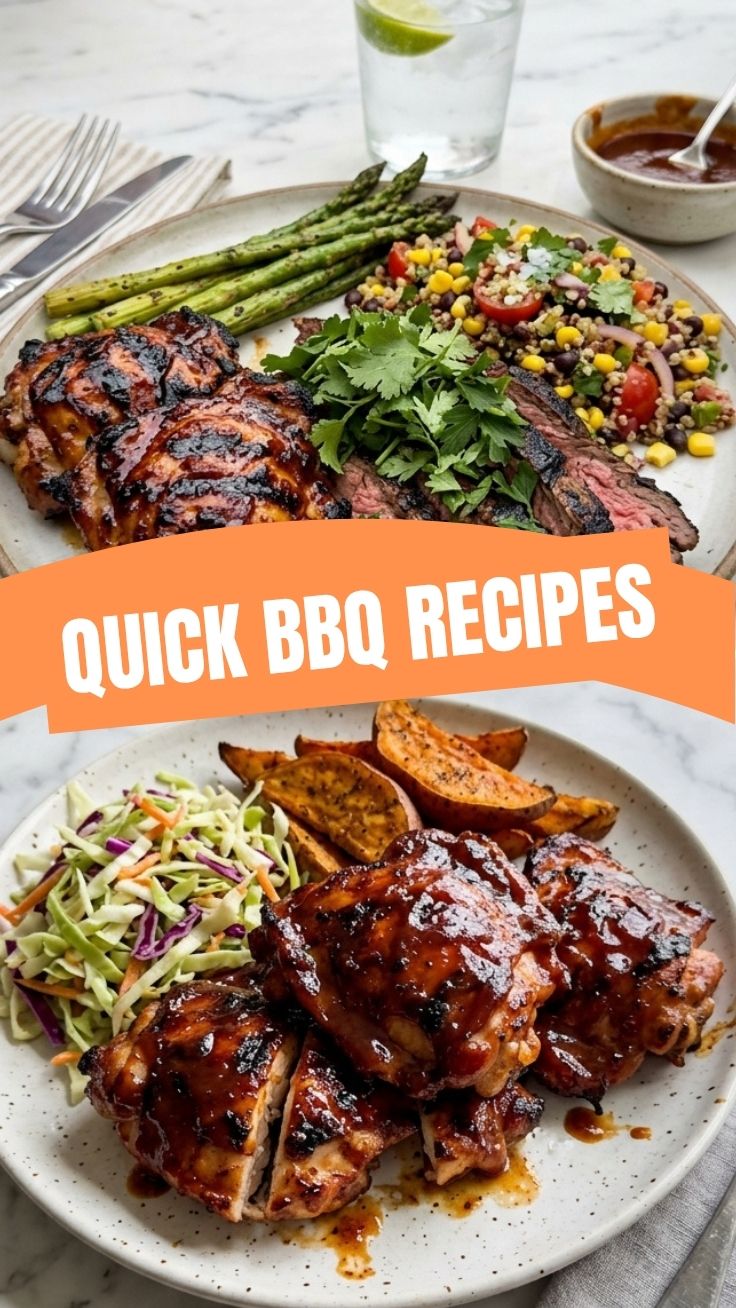
Ever wondered if you could enjoy mouth-watering, smoky BBQ without compromising your health goals? The good news is, you absolutely can! Preparing your own high protein BBQ recipes healthy at home offers unparalleled control over ingredients, portion sizes, and cooking methods, ensuring a delicious and nutritious feast every time. Say goodbye to hidden sugars and excessive fats often found in restaurant BBQ, and embrace the joy of crafting wholesome, flavor-packed meals right in your own backyard. It’s time to fire up the grill and discover how easy it is to create nourishing, satisfying dishes that are also incredibly tasty, including plenty of healthy high protein grill recipes for diverse palates.
Ingredients & Kitchen Tools
Here’s what you’ll need to elevate your BBQ game:
Lean Protein (2 lbs): Chicken breast, turkey tenderloin, pork loin, or flank steak. (Choose cuts with minimal fat marbling for a healthier option.)*
- Homemade BBQ Rub:
2 tbsp Smoked Paprika (Adds an authentic smoky flavor without actual smoking.)*
1 tbsp Garlic Powder (Aromatic base.)*
1 tbsp Onion Powder (Adds depth of flavor.)*
1 tbsp Brown Sugar Substitute (e.g., erythritol brown) (For sweetness without added sugar, can use a tiny bit of coconut sugar for non-keto.)*
1 tsp Black Pepper (Essential for savory balance.)*
1 tsp Cumin (Earthy warmth.)*
1/2 tsp Cayenne Pepper (Optional, for a kick.)*
1/2 tsp Salt (Enhances all flavors.)*
Low-Sugar BBQ Sauce (1 cup): Your favorite store-bought brand (check sugar content) or homemade. (Many brands offer low-sugar options, or blend canned crushed tomatoes with spices.)*
Apple Cider Vinegar (2 tbsp): (Adds tanginess and tenderizes meat.)*
Olive Oil (1 tbsp): (For light greasing and flavor.)*
Kitchen Tools:
Grill: Charcoal, gas, or even a grill pan for indoor use. (Essential for that smoky char.)*
- Mixing Bowls: For rub and sauce.
- Whisk: To combine ingredients thoroughly.
- Tongs: For handling and flipping meat.
Meat Thermometer: (Crucial for ensuring doneness and food safety.)*
- Basting Brush: For applying BBQ sauce.
Prep Time & Cooking Schedule
- Prep Time: 15 minutes
- Marinating Time: 30 minutes to 2 hours (optional, but recommended for flavor)
- Cook Time: 20-30 minutes (depending on protein type and thickness)
- Resting Time: 10 minutes
For best results, plan to marinate your protein for at least 30 minutes to allow the flavors to penetrate. This recipe is perfect for a weeknight meal if you marinate in advance, or a relaxed weekend cookout.
Step-by-Step Instructions
1. Prepare the Rub: In a small bowl, combine all the dry rub ingredients. Mix well with a whisk until evenly distributed.
2. Season the Protein: Pat your chosen protein dry with paper towels. Drizzle lightly with olive oil, then generously coat with the prepared rub, pressing gently to adhere. For maximum flavor, let it marinate in the refrigerator for at least 30 minutes, or up to 2 hours.
3. Preheat the Grill: Preheat your grill to medium-high heat (around 375-400°F or 190-200°C). Ensure grates are clean and lightly oiled to prevent sticking.
4. Grill the Protein: Place the seasoned protein on the hot grill. Cook for 5-7 minutes per side, or until a beautiful char develops. For perfectly cooked high protein BBQ recipes healthy, use a meat thermometer to monitor the internal temperature.
5. Baste with Sauce: During the last 5-10 minutes of cooking, baste the protein generously with your low-sugar BBQ sauce. Flip and baste the other side, allowing the sauce to caramelize slightly without burning. This is key for many healthy high protein grill recipes.
6. Rest and Serve: Once the internal temperature reaches the safe minimum (e.g., 165°F for chicken, 145°F for pork/flank steak), remove the protein from the grill. Let it rest for 10 minutes, tented loosely with foil. This allows the juices to redistribute, ensuring a tender and moist result. Slice against the grain for optimal texture.
Nutritional Benefits & Advantages
This recipe is a powerhouse of nutrition. Lean protein sources are crucial for muscle repair, growth, and satiety, helping you feel fuller for longer. By making your own rub and using low-sugar BBQ sauce, you significantly cut down on added sugars and unhealthy fats, which are often prevalent in commercial BBQ. The spices in the rub, like paprika and cumin, also offer antioxidant properties. This approach transforms seemingly indulgent BBQ into a health-conscious meal that supports your fitness goals.
Tips Variations & Cooking Advice
- Spice Level: Adjust cayenne pepper to your preference. For more heat, add a pinch of chili flakes.
- Vegetarian/Vegan: Substitute protein with firm tofu slabs, tempeh, or large portobello mushrooms. Marinate and grill similarly.
- Marinade Boost: Add a tablespoon of Dijon mustard or Worcestershire sauce (ensure gluten-free if needed) to the rub for added depth.
- Smoking: For real smoke flavor without a smoker, try using a small foil packet of wood chips directly on your grill grates (for gas grills) or scattered over coals (for charcoal).
- Sides: Serve alongside a crisp green salad, grilled vegetables (zucchini, bell peppers, asparagus), or a healthy coleslaw with a vinegar-based dressing.
Common Mistakes to Avoid
- Overcooking: The biggest culprit of dry BBQ. Always use a meat thermometer. Dry meat equals tough meat.
- Saucing Too Early: Applying BBQ sauce too soon can lead to burning, as sugars in the sauce caramelize quickly over high heat. Only baste during the last 5-10 minutes.
- Not Resting the Meat: Skipping the resting step means the juices run out when you cut, leaving you with less flavorful and tougher meat. Patience is key!
- Uneven Heat: Make sure your grill is preheated evenly. Uneven heat leads to hot spots and unevenly cooked meat.
Storage & Meal Prep Tips
Leftovers can be stored in an airtight container in the refrigerator for up to 3-4 days. This recipe is fantastic for meal prepping! Cook a larger batch of protein, slice it, and divide it into meal prep containers with your favorite healthy sides. To reheat, gently warm in a microwave or a skillet over medium heat, adding a splash of water or broth to prevent drying out. You can also freeze cooked and sliced protein for up to 3 months; thaw overnight in the refrigerator before reheating.
Conclusion
Crafting your own delicious high protein BBQ recipes healthy at home is an incredibly rewarding experience, offering both fantastic flavor and significant nutritional advantages. By choosing lean proteins, controlling your ingredients, and following these simple steps, you can confidently create mouth-watering meals that satisfy your cravings without derailing your health goals. Remember, mastering healthy high protein grill recipes is about smart choices and technique, not sacrificing taste. Give this recipe a try and share your results in the comments below – we’d love to hear how your healthy BBQ turned out!
FAQs
Q1: Can I use a regular oven instead of a grill?
A1: Yes, you can bake your protein in the oven at 375°F (190°C) until cooked through, then broil for a few minutes on each side after applying sauce to get a nice caramelization. You’ll miss the smoky flavor, but it will still be delicious.
Q2: What are some good low-sugar BBQ sauce brands?
A2: Look for brands like G Hughes Sugar Free, Primal Kitchen, or Kevin’s Natural Foods in the “sugar-free” or “keto-friendly” sections of your grocery store. Always check the nutrition label.
Q3: How can I make this recipe spicier?
A3: Increase the amount of cayenne pepper in the rub, or add a pinch of red chili flakes. You can also add a dash of hot sauce to your BBQ sauce.
Q4: Is marinating really necessary?
A4: While not strictly necessary, marinating significantly enhances the flavor and can also help tenderize tougher cuts of meat. Even 30 minutes makes a difference!
Q5: Can I prepare the rub in advance?
A5: Absolutely! You can mix a larger batch of the dry rub and store it in an airtight container in a cool, dark place for several months, making future meal prep even faster.