Master the Crunch: Your Ultimate Guide to Homemade Crispy Fried Chicken
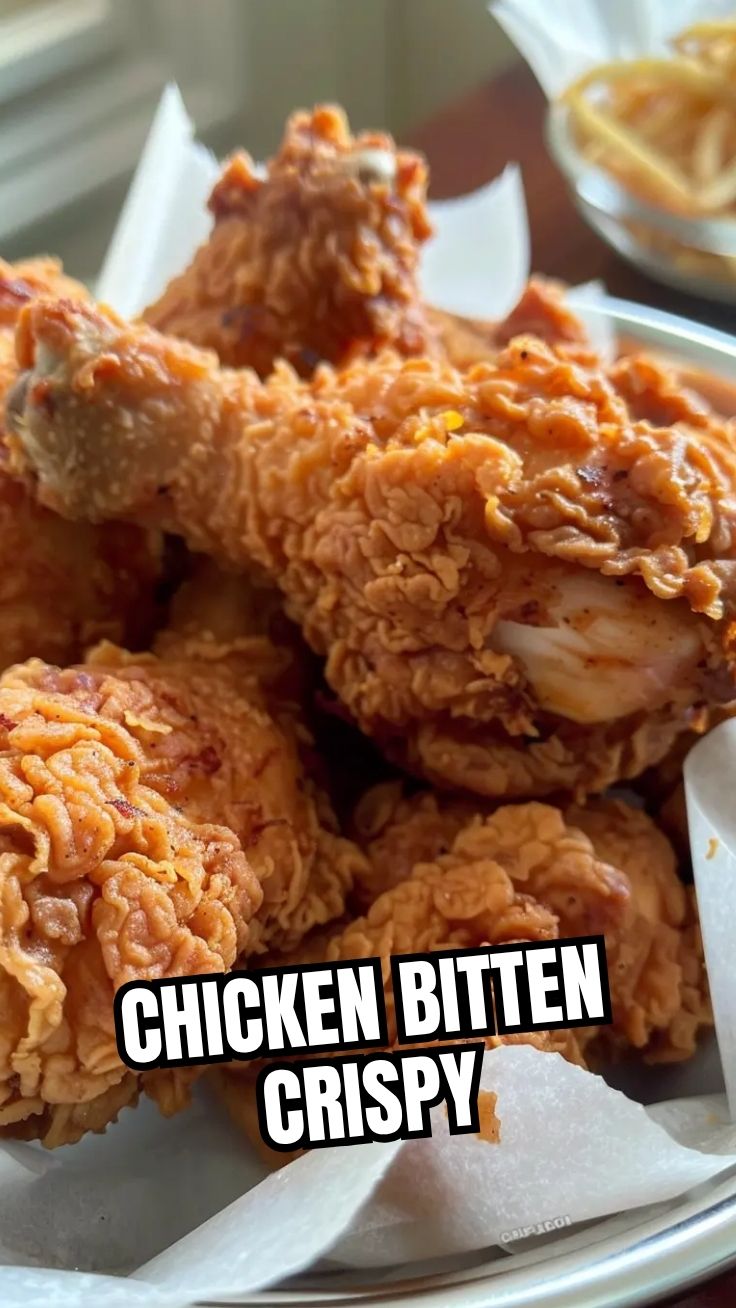
Craving that unmistakable golden-brown crunch and juicy tenderness that defines truly exceptional Fried Chicken? If you’ve ever dreamt of recreating that perfect diner-style experience in your own kitchen, but felt intimidated by the process, you’re in the right place. There’s an unparalleled satisfaction in preparing homemade Fried Chicken, ensuring quality ingredients and customizing flavors to your exact preference. Forget greasy takeout; today, we’re diving deep into mastering the art of the perfect, crispy, and flavorful Southern Fried Chicken.
Ingredients & Kitchen Tools
Crafting the perfect fried chicken requires a blend of quality ingredients and the right culinary arsenal.
Whole Chicken (3-4 lbs), cut into 8 pieces (2 wings, 2 drumsticks, 2 thighs, 2 breasts) – Ensures a variety of textures and cooking times.*
Buttermilk (3 cups) – Essential for tenderizing the chicken and creating a flavorful crust. Its acidity breaks down proteins.*
All-Purpose Flour (2 cups) – The base for our crispy coating.*
Cornstarch (1/2 cup) – Adds extra crispiness to the coating.*
Paprika (1 tbsp) – For color and a touch of sweetness.*
Garlic Powder (1 tbsp) – Aromatic depth.*
Onion Powder (1 tbsp) – Adds another layer of savory flavor.*
Cayenne Pepper (1 tsp, or to taste) – For a subtle kick.*
Black Pepper (1 tsp) – Classic seasoning.*
Salt (2 tsp) – Crucial for flavor, ensure it’s not iodized.*
Large Eggs (2) – Helps the flour adhere to the chicken.*
Hot Sauce (1 tbsp, e.g., Tabasco) – Optional, adds flavor to the egg wash.*
Vegetable Oil or Peanut Oil (6-8 cups) – High smoke point oil suitable for deep frying.*
Large Mixing Bowls (2-3) – For brining, flour dredging, and egg wash.*
Large Dutch Oven or Heavy-Bottomed Pot – Provides even heat distribution for frying.*
Wire Rack with Baking Sheet – For draining excess oil and keeping chicken crispy.*
Tongs – For safely handling hot chicken.*
Meat Thermometer – Crucial for ensuring chicken is cooked through (165°F/74°C).*
Paper Towels – For blotting excess oil.*
Prep Time & Cooking Schedule
- Marinating Time: 4 hours to overnight (for best results, overnight is recommended)
- Prep Time: 30 minutes
- Dredging Time: 15-20 minutes
- Cooking Time: 25-35 minutes per batch (depending on chicken piece size)
- Resting Time: 5-10 minutes (after frying)
Allow ample time for marinating; this step is non-negotiable for tender, juicy chicken. Plan to start the day before if you’re aiming for that truly exceptional result.
Step-by-Step Instructions
1. Buttermilk Brine & Seasoning: In a large bowl, combine the cut chicken pieces with buttermilk, 1 tsp salt, and 1/2 tsp black pepper. Ensure all chicken is submerged. Cover and refrigerate for at least 4 hours, or preferably overnight. This brine is key to achieving incredibly tender and juicy Fried Chicken, infusing it with flavor and moisture.
2. Prepare the Dredging Station: In a separate large bowl, whisk together the flour, cornstarch, paprika, garlic powder, onion powder, cayenne pepper, remaining 1 tsp salt, and 1/2 tsp black pepper. In a third bowl, whisk the eggs with the hot sauce (if using).
3. Dredge the Chicken: Remove chicken from the buttermilk, letting excess drip off. Do not rinse. First, dip each piece into the egg mixture, ensuring even coating. Then, transfer to the flour mixture, pressing firmly to get a thick, even coating. Shake off excess flour. Place breaded chicken on a clean wire rack. This double-dredging technique helps create a thick, craggy crust characteristic of genuine Southern Fried Chicken.
4. Heat the Oil: Pour vegetable or peanut oil into your Dutch oven to a depth of about 3 inches. Heat over medium-high heat until it reaches 350°F (175°C). Use a thermometer to monitor the temperature.
5. Fry the Chicken: Carefully lower 2-3 pieces of chicken into the hot oil, ensuring not to overcrowd the pot. Overcrowding drops the oil temperature, leading to greasy chicken. Fry for 6-8 minutes per side, turning occasionally, until golden brown and crispy. Dark meat (thighs and drumsticks) will typically take longer than white meat (breasts and wings).
6. Check for Doneness & Rest: Once golden, remove chicken and insert a meat thermometer into the thickest part. It should register 165°F (74°C). Place cooked chicken on a wire rack set over a baking sheet to drain excess oil. This rack is crucial for maintaining crispiness.
7. Repeat & Serve: Continue frying in batches until all chicken is cooked. Let the chicken rest for 5-10 minutes before serving. This allows the juices to redistribute, ensuring maximum tenderness.
Nutritional Benefits & Advantages
Homemade fried chicken, when prepared with care, offers several advantages. Chicken itself is an excellent source of lean protein, essential for muscle repair and satiety. By controlling the type of oil used and ensuring proper frying temperatures, you can minimize oil absorption compared to fast-food options. Furthermore, the buttermilk tenderizing process can aid in digestion. Opting for organic, free-range chicken can also provide a more nutrient-dense meal, often richer in Omega-3 fatty acids.
Tips, Variations & Cooking Advice
- Spice it up: Add a pinch of smoked paprika, chili powder, or a dash more cayenne to the flour mix for a bolder flavor profile.
- Herbaceous Twist: Incorporate dried thyme, rosemary, or sage into your flour dredging for an aromatic touch.
- Gluten-Free Option: Substitute all-purpose flour with a gluten-free all-purpose flour blend (ensure it contains xanthan gum) for a similar crispy coating.
- Air Fryer Method (Healthier Alternative): For a less indulgent version, preheat your air fryer to 375°F (190°C). Spray the breaded chicken lightly with oil and air fry for 20-25 minutes, flipping halfway, until cooked through and crispy.
- Brining Alternatives: If you don’t have buttermilk, you can make your own by adding 1 tablespoon of lemon juice or white vinegar to 1 cup of regular milk and letting it sit for 5-10 minutes.
Common Mistakes to Avoid
- Overcrowding the Pot: This drastically lowers oil temperature, resulting in greasy, soggy chicken. Fry in small batches.
- Insufficient Oil Temperature: Too low, and the chicken absorbs too much oil. Too high, and the outside burns before the inside cooks. Maintain 350°F (175°C) diligently.
- Skipping the Brine: This is critical for tender and flavorful chicken. Don’t rush or skip this step.
- Not Draining Properly: Placing fried chicken directly on paper towels will steam the bottom, making it soggy. Always use a wire rack.
- Uneven Dredging: Ensure every piece is thoroughly coated in the flour mixture for an optimal crust.
Storage & Meal Prep Tips
Leftover fried chicken can be a delightful treat. Store cooled fried chicken in an airtight container in the refrigerator for up to 3-4 days. For longer storage, you can freeze it for up to 3 months. To reheat and maintain crispiness, preheat your oven to 400°F (200°C). Place the chicken on a wire rack over a baking sheet and bake for 15-20 minutes, or until thoroughly heated and the skin has re-crisped. Avoid microwaving, as it tends to make the crust soggy.
Conclusion
Mastering homemade Fried Chicken is a rewarding culinary journey that pays off with every juicy bite and satisfying crunch. By following these detailed steps, understanding the science behind the brine, and paying attention to oil temperature, you can create a truly exceptional dish that rivals any restaurant. So go ahead, don your apron, gather your ingredients, and prepare to impress your taste buds with truly remarkable, crispy Southern Fried Chicken. Share your creations with us!
FAQs
Q1: Can I use boneless, skinless chicken breasts?
A1: Yes, absolutely! Boneless breasts will cook faster, typically 10-15 minutes total. Be careful not to overcook them, as they can dry out easily.
Q2: What’s the best oil for frying fried chicken?
A2: Vegetable oil, peanut oil, or canola oil are ideal due to their high smoke points and neutral flavor.
Q3: My chicken isn’t as crispy as I’d like. What did I do wrong?
A3: This often happens due to insufficient oil temperature (too low), overcrowding the pot, or removing the chicken and placing it directly on paper towels instead of a wire rack.
Q4: How can I add more flavor to my fried chicken?
A4: Experiment with different spices in your flour mixture (e.g., smoked paprika, chili powder, herbs). You can also add more hot sauce or a dash of Worcestershire sauce to your buttermilk brine.
Q5: Is it safe to reuse frying oil?
A5: Yes, you can reuse frying oil 2-3 times. Allow it to cool completely, then strain it through a fine-mesh sieve or cheesecloth to remove any food particles. Store it in an airtight container in a cool, dark place.