Unlock the Secret to Fluffy, Flavorful, and Foolproof Mashed Potatoes
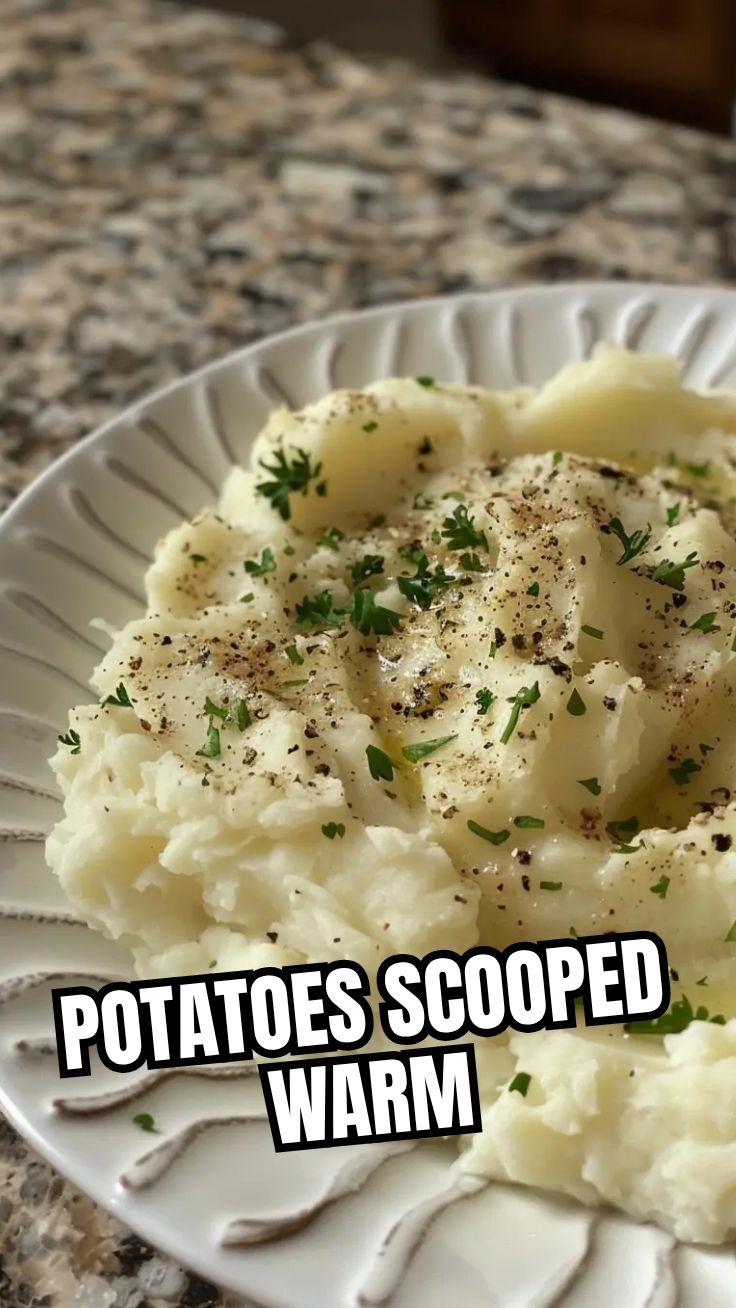
Tired of bland, lumpy, or watery mashed potato recipe attempts? Imagine serving a side dish so creamy, so perfectly seasoned, it steals the show. This isn’t just about mashing spuds; it’s about crafting an experience. In this comprehensive guide, we’re diving deep into the art and science of creating the ultimate Mashed Potatoes from scratch. Forget those instant flakes and embrace the rich satisfaction of homemade. Preparing this classic at home allows for unparalleled control over ingredients, ensuring a wholesome, delicious, and personalized dish every time, far superior to anything store-bought or pre-made.
Ingredients & Kitchen Tools
To embark on this culinary journey, gather these essentials:
- 2 lbs Russet Potatoes: The king of mashers, their high starch content yields a fluffy texture. (Peeled and quartered)
- ½ cup Unsalted Butter: Quality butter is non-negotiable for richness and flavor. (Cut into cubes, softened)
- ½ cup Whole Milk or Heavy Cream: Adds luscious creaminess. (Warmed)
- 1 tsp Sea Salt: Enhances all flavors. (Adjust to taste)
- ½ tsp Freshly Ground Black Pepper: Aromatic and pungent. (Adjust to taste)
- Optional: 2 cloves Garlic: Minced, for an aromatic boost.
- Optional: 2 tbsp Fresh Chives or Parsley: Chopped, for a vibrant garnish and fresh flavor.
Kitchen Tools:
- Large Pot: For boiling potatoes.
- Potato Masher or Ricer: A ricer ensures the smoothest, lump-free mash.
- Measuring Cups & Spoons: For accurate ingredient proportions.
- Rubber Spatula or Wooden Spoon: For gentle mixing.
- Serving Bowl: To present your masterpiece.
Prep Time & Cooking Schedule
- Prep Time: 15 minutes (Peeling and cutting potatoes, gathering ingredients)
- Cook Time: 15-20 minutes (Boiling potatoes)
- Active Mashing Time: 5-7 minutes
- Total Time: Approximately 35-45 minutes
This recipe is perfect for weeknight dinners or holiday feasts. The bulk of the time is hands-off boiling, allowing you to focus on other aspects of your meal preparation. Aim to start boiling potatoes about 30 minutes before you plan to serve to ensure they’re hot and ready.
Step-by-Step Instructions
1. Prepare the Potatoes: Peel the Russet potatoes and cut them into roughly 1-inch pieces. Aim for uniform size to ensure even cooking. Rinse them under cold water to remove excess starch, which can lead to gummy results.
2. Boil to Perfection: Place the cut potatoes in a large pot and cover with cold water by about an inch. Add a generous pinch of salt to the water (this seasons the potatoes from the inside out). Bring to a boil over high heat, then reduce to a simmer and cook until fork-tender, about 15-20 minutes.
3. Drain Thoroughly: This is a crucial step! Drain the cooked potatoes in a colander. For the absolute best Mashed Potatoes, return the drained potatoes to the empty hot pot over very low heat for 1-2 minutes. This helps evaporate any residual moisture, preventing watery mash.
4. Mash Away: Remove the pot from the heat. Add the softened butter to the hot potatoes. Use a potato masher or, for a velvety smooth texture, a potato ricer. Mash until just combined with the butter; do not overmash, as this activates starch and can make your potatoes gummy.
5. Achieve Creaminess: Gradually add the warmed milk or cream, mashing until the desired consistency is reached. Start with half and add more as needed. If including minced garlic, add it now.
6. Season and Serve: Season with sea salt and freshly ground black pepper to taste. Taste and adjust. For an exceptional mashed potato recipe, stir in fresh chives or parsley if using. Serve immediately!
Nutritional Benefits & Advantages
Russet potatoes, the star of this dish, are a good source of Vitamin C, Vitamin B6, potassium, and dietary fiber, especially if you opt to leave some skin on. While butter and cream add rich flavor and texture, they also contribute healthy fats and important fat-soluble vitamins. This homemade dish offers a significant advantage over pre-packaged alternatives by allowing you to control sodium levels and avoid artificial additives, making it a wholesome and comforting addition to any meal.
Tips, Variations & Cooking Advice
- Garlic Infusion: For a deeper garlic flavor, gently sauté minced garlic in butter until fragrant before adding to the potatoes.
- Herbaceous Delight: Experiment with fresh herbs like rosemary or thyme. Add them finely chopped to the mash or infuse them in the warm milk/cream.
- Cheesy Goodness: Stir in shredded Parmesan, sharp cheddar, or goat cheese right after mashing for a decadent twist.
- Vegan/Dairy-Free: Substitute unsalted butter with a plant-based butter alternative and whole milk/cream with unsweetened plant-based milk (almond or oat milk work well).
- Roasted Garlic: Roast a head of garlic until soft, then squeeze out the pulp and mash it into the potatoes for a sophisticated, mellow flavor.
- Broth Instead of Milk: For a savory, lighter option, substitute some of the milk with warm vegetable or chicken broth.
Common Mistakes to Avoid
- Overboiling Potatoes: Leads to waterlogged, mushy potatoes that don’t mash well. Cook until tender, but not falling apart.
- Not Draining Thoroughly: Excess water is the enemy of fluffy mash. Ensure potatoes are as dry as possible.
- Using Cold Milk/Butter: Cold ingredients will cool down the potatoes, making them harder to incorporate smoothly and potentially impacting the texture. Always warm your dairy.
- Overmashing: This is the quickest way to turn creamy potatoes into a gummy, pasty mess. Mash just until smooth; stop when ingredients are combined.
- Under-seasoning: Potatoes are bland on their own. Don’t be shy with salt and pepper, and taste as you go.
Storage & Meal Prep Tips
Leftover Mashed Potatoes can be stored in an airtight container in the refrigerator for up to 3-4 days. For reheating, gently warm them in a saucepan over low heat, stirring frequently, adding a splash of milk or cream to restore their creamy texture. Alternatively, microwave on medium heat, stirring every minute, until heated through. Freezing is possible, but can affect the texture; spread in a freezer-safe bag or container and freeze for up to 1-2 months. Thaw in the refrigerator overnight before reheating. These also make fantastic foundations for shepherd’s pie or croquettes the following day.
Conclusion
Mastering the art of making perfect Mashed Potatoes is a culinary triumph that will elevate any meal. By following these detailed steps and embracing the tips for this exceptional mashed potato recipe, you’re not just cooking; you’re creating comfort and flavor. We encourage you to try this recipe, experiment with the variations, and share your delightful results with us!
FAQs
Q1: What’s the best type of potato for mashed potatoes?
A1: Russet potatoes are generally considered the best due to their high starch content, which results in a light and fluffy texture. Yukon Golds also work well for a slightly creamier, naturally buttery mash.
Q2: Can I use a hand mixer or food processor for mashing?
A2: It’s generally not recommended. A hand mixer or food processor can overwork the potatoes, activating too much starch and leading to a gummy, unpleasant texture. A traditional masher or ricer is best.
Q3: How do I prevent my mashed potatoes from becoming gluey?
A3: The key is to avoid overworking them. Mash just until smooth, add warmed dairy, and avoid using food processors. Also, ensure your potatoes are completely drained and dry before mashing.
Q4: Can I make mashed potatoes ahead of time?
A4: Yes, you can. Prepare them as directed, then store in an airtight container in the refrigerator. Reheat gently on the stovetop with a splash of milk or cream, or in the microwave, to restore their texture.
Q5: What’s the secret to extra flavorful mashed potatoes?
A5: Don’t skimp on good quality butter and cream. Season generously with salt and pepper, and consider infusing your milk with herbs or adding roasted garlic for an extra layer of depth.